
Where a Fayetteville Valley Meets the Gutter
Water leaving the bottom of a valley arrives fast and at one point, and most gutters were never placed with that in mind.
Gutters and Drainage quote in Fayetteville
Share a few details so we can confirm coverage and arrange the right next step.
Would you rather talk it through? Call (315) 640-3590, answered 24/7.
$100 off your first job
Credited by us on your first booked job.
- One credit per customer per property, on your first booked job.
- Valid through December 31, 2026.
Mention this offer when you book. Full terms.
Solving an overshoot without replacing the run
The fixes here are local and cheap compared with a new system. A splash guard at the valley outlet, a downspout placed near it rather than at the far corner, and a channel hung slightly higher at that point are all small interventions aimed at one spot. Compare that with the volume involved: the Syracuse normal is 38.47 inches of precipitation a year, with 22.7 days delivering half an inch or more, so that one foot of gutter has plenty of occasions to be overwhelmed. Getting it right there usually stops the wet patch at the wall below without anybody touching the rest of the house.
Watch the valley outlet during rain
If water leaps the channel at one point while the rest of the run behaves, you have found the problem and it is a placement issue.
Ask for an outlet near the valley
A downspout close to where the volume arrives takes it away immediately instead of sending it along the whole run first.
Check what the overshoot is landing on
Below a valley outlet is usually a path, an entry or a flowerbed against the wall. That is where the damage shows before the gutter is blamed.
How much water a Fayetteville valley delivers at one point
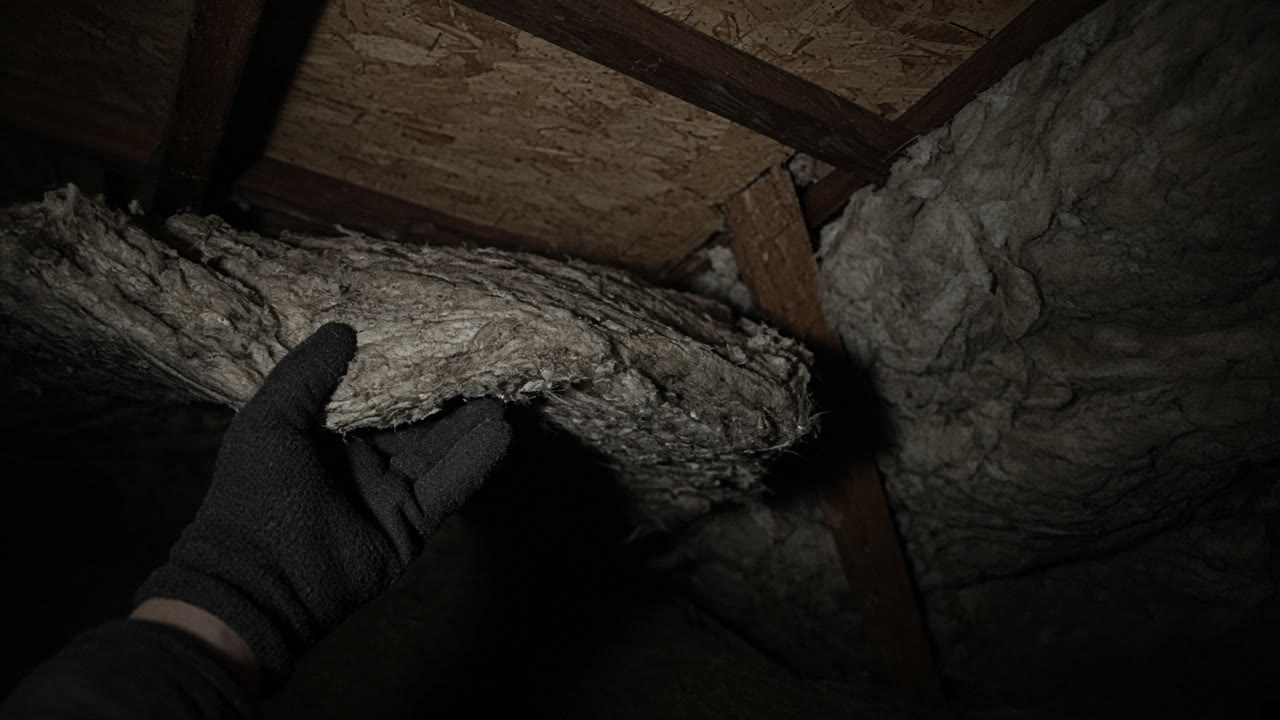
Fayetteville village has 2,092 housing units of which 13.0 percent are single-family attached, the highest attached share of any place on this site, and 11.7 percent sit in three and four unit buildings, leaving 58.7 percent single-family detached. Owner occupancy is 76.9 percent and the median build year is 1961, with 20.7 percent of units built in 1939 or earlier.
Source: US Census Bureau, American Community Survey 2020-2024 5-year estimates, tables B25034 year structure built, B25035 median year structure built, B25024 units in structure and B25003 tenure, accessed 2026-09-14
The Department of Energy guide directs that gutters be installed along the roof eaves sloping at least 1/16 inch per foot of run to give positive drainage toward the downspouts, and that downspouts terminate at least 5 feet from the foundation, or discharge to an underground catchment at least 10 feet from the foundation that is not connected to the foundation drain system. Gutter channels come in 4, 5 and 6 inch sizes and the style, K or half round, is aesthetic rather than a performance difference.
Source: US Department of Energy, Building America Solution Center, Pacific Northwest National Laboratory, accessed 2026-09-14
The NOAA 1991 to 2020 normals for Hancock International put annual precipitation at 38.47 inches, with 173.6 days a year recording at least a hundredth of an inch, 89.7 days at least a tenth, 22.7 days at least half an inch and 5.3 days an inch or more, plus an annual snowfall normal of 123.8 inches.
Source: NOAA National Centers for Environmental Information, accessed 2026-09-14
What gutters and drainage involves
The busiest foot of gutter on a Fayetteville house
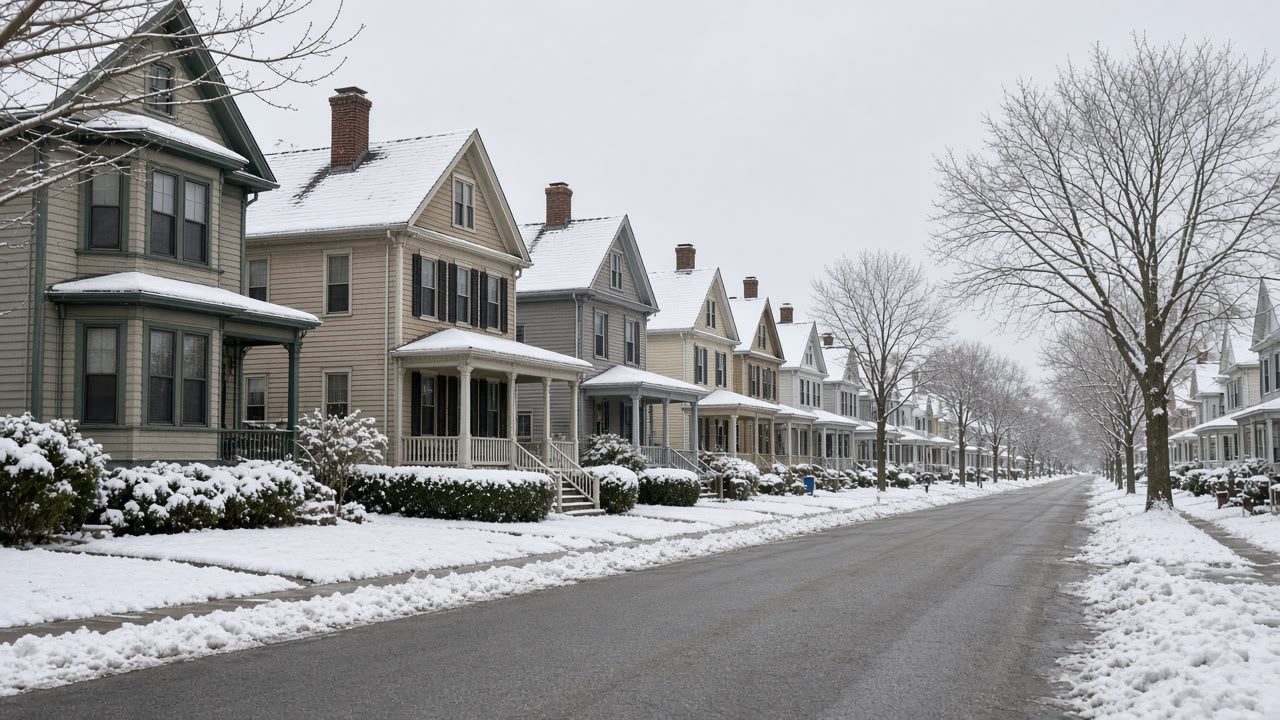
Volume is not spread evenly along an eave. Where a valley discharges, the water off two roof planes arrives in a narrow band moving quickly, and a channel hung for average flow will overshoot there while behaving perfectly everywhere else. Federal guidance gives the underlying requirements plainly, a fall of at least 1/16 inch per foot toward the outlet and a discharge finishing at least 5 feet from the foundation, and it is at valley outlets that both get defeated. Fayetteville has the roof geometry for it, with only 58.7 percent of its 2,092 units single-family detached and 13.0 percent single-family attached, which puts a lot of planes into contact.
Tell us where the water jumps the gutter
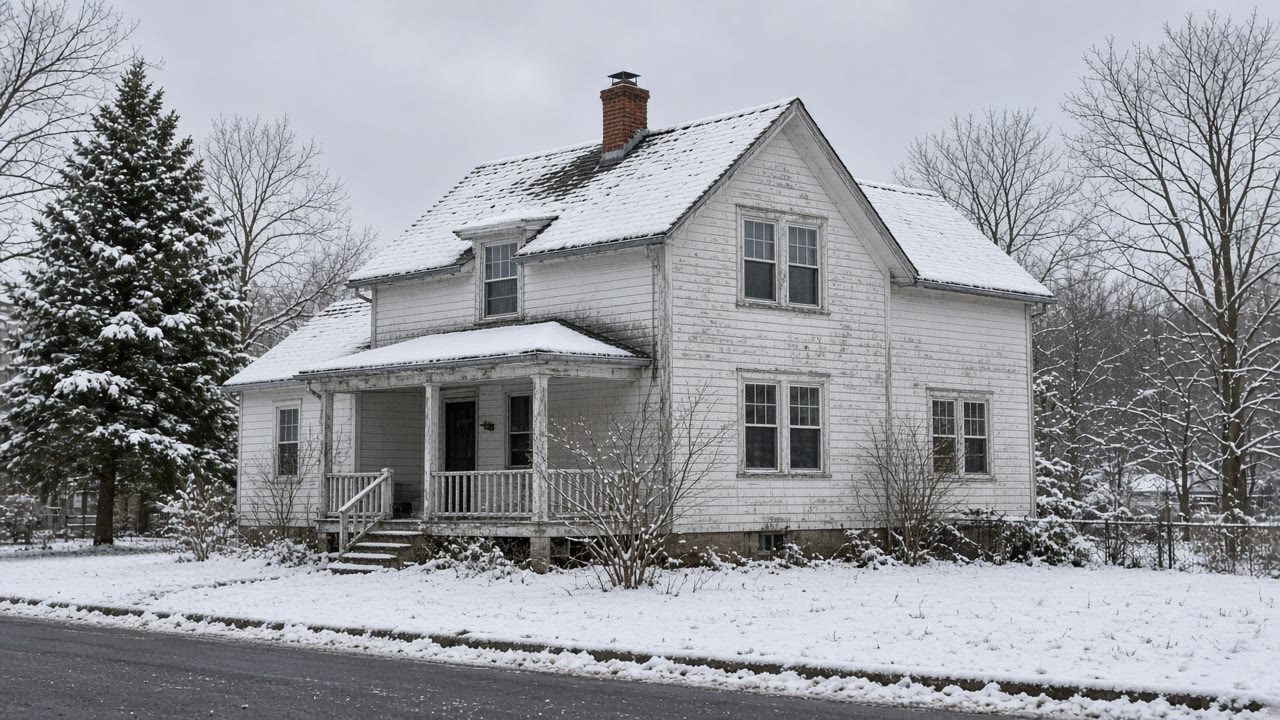
Usually under a valley. We arrange an insured contractor who treats the outlet rather than the whole run.
Drainage questions from Fayetteville homeowners
Water jumps the gutter under the valley. Is the gutter too small?
Usually not. A channel that copes everywhere else and is beaten at one point is dealing with concentrated flow rather than a capacity shortfall along the whole run. A splash guard at that point, or an outlet placed near it, solves it for a fraction of what replacing the run would cost.
Should the shingles in the valley be cut back from the gutter?
How the covering terminates at the eave matters and it is a roofing question as much as a drainage one. Shingles carried too far past the fascia can throw water clear of the channel, and cut too short they can let it run behind. It is worth having both looked at in one visit rather than treating the gutter as a separate problem.
Get the busiest point dealt with
Send the Fayetteville address and what the ground below looks like. No obligation, and the fix is usually small.