
Onondaga County
Attic Ventilation and Leak Diagnosis in the Town of Manlius
A Manlius house that gained a ridge vent at a reroof and kept its original gable louvers may now be venting less than it did before, which is worth knowing before you buy more vents. The town is several housing stocks under one name, 72.6 percent detached across 14,524 units under a 1972 median, and its three villages run from a 1961 median in Fayetteville to 1971 in Minoa, so what sits on your roof is not what sits on the next street.
Request a quote in Manlius
Share a few details so we can confirm coverage and arrange the right next step.
Would you rather talk it through? Call (315) 640-3590, answered 24/7.
$100 off your first job
Credited by us on your first booked job.
- One credit per customer per property, on your first booked job.
- Valid through December 31, 2026.
Mention this offer when you book. Full terms.
Why a ridge vent and a gable louver fight each other
Federal guidance says plainly that gable end vents should not be used together with ridge or off-ridge vents, because the gable openings short-circuit the airflow and can render the soffit venting ineffective. Air takes the short path between two high openings, the eave bays stop moving air at all, and they frost while the ridge looks perfect from the street. That is a free finding on a lot of houses here, because a reroof adds a ridge vent and nobody takes the old louvers out. There is a second number almost nobody checks. New York sets the minimum net free ventilating area at 1/150 of the space and permits 1/300 only on conditions, and one of those conditions is that between 40 and 50 percent of the required area sits in the upper portion of the roof, no more than three feet below the ridge, with the balance in the bottom third. The vapor retarder condition attached to the same allowance binds only in Climate Zones 6, 7 and 8, and Onondaga County is Zone 5, so here the reduction turns entirely on that split. An attic carrying 80 percent of its opening at the ridge does not qualify, however healthy the total looks on paper, and federal guidance goes further: the exhaust area should never exceed the intake area, because the shortfall gets made up by pulling air out of the house through the ceiling. Read Manlius specifically rather than generally. The town is 81.8 percent owner occupied, and inside it Fayetteville, Manlius village and Minoa are three separate stocks with medians of 1961, 1968 and 1971 and very different structure types.
Areas within Manlius: Manlius village, Minoa, Fayetteville
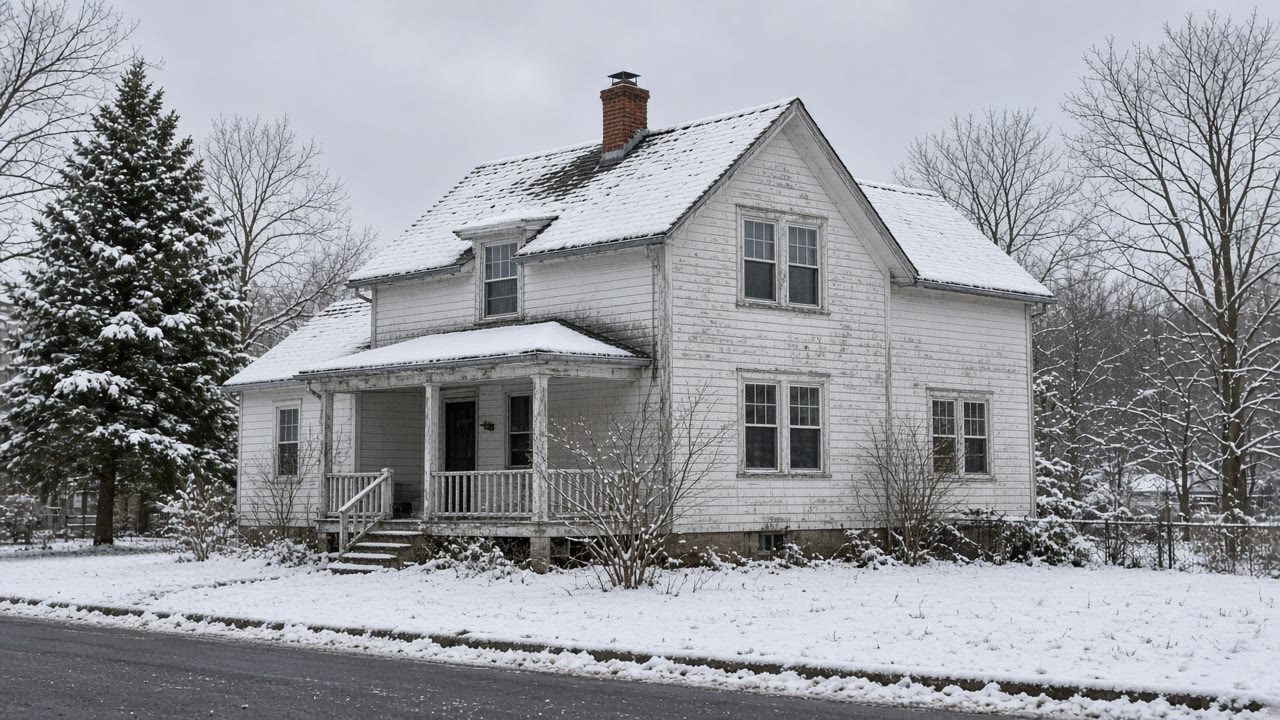
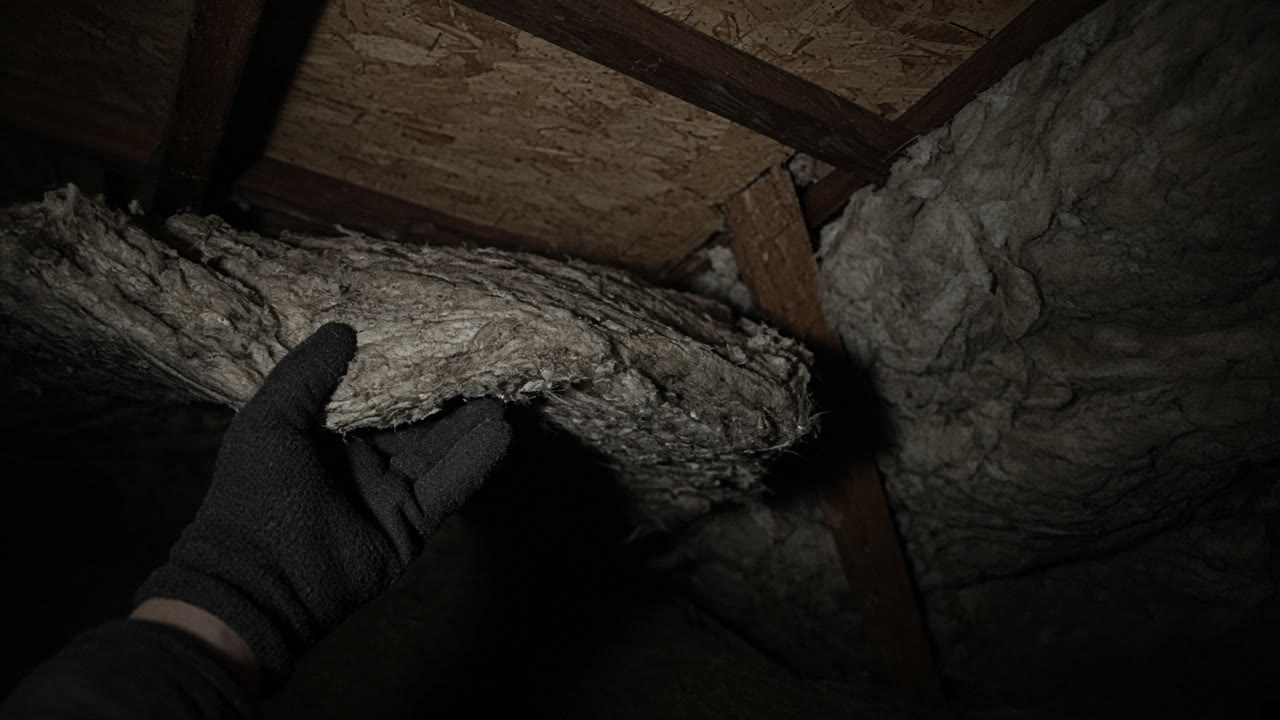
Added vents and the frost got worse?
Send the Manlius address and what openings the roof has. We will arrange a visit that works out which of them is doing anything.
Roof and attic work we arrange across Manlius town
Roof and Attic Leak Diagnosis
Find out where the water is actually getting in before anyone prices a covering, including whether it came through the roof at all.
Leak Diagnosis in Manlius →Flat and Low-Slope Roofing
Find out whether a nearly flat porch, addition or garage roof leaks because it has the wrong covering on it, and what may lawfully go up there instead.
Low-Slope Roofing in Manlius →Flashing, Chimney and Skylight Repair
Rebuild the joint the water is actually using, at a chimney, wall, valley, vent or skylight, without re-covering a roof that is still doing its job.
Flashing Repair in Manlius →Gutters, Downspouts and Roof Drainage
Get the water that leaves the roof away from the house properly, instead of over the gutter, behind the fascia or straight down the foundation wall.
Gutters and Drainage in Manlius →Attic Ventilation and Air Sealing
Stop indoor air reaching the cold roof deck, and get the vent area and the vent split right, so the attic stops making its own water.
Attic Ventilation in Manlius →What several Manlius housing stocks do to one symptom
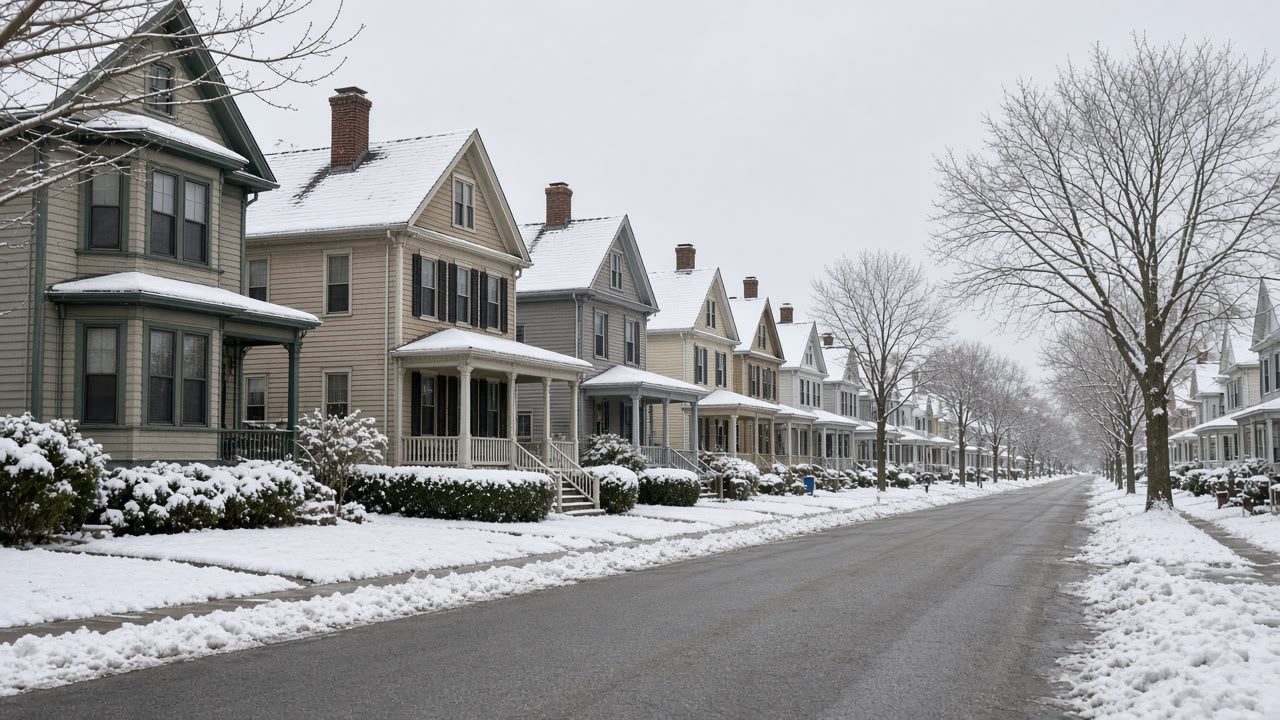
The Town of Manlius has 14,524 housing units, 72.6 percent single-family detached, with 81.8 percent owner occupancy and a median build year of 1972. The three villages inside it differ sharply: Fayetteville has a 1961 median with 13.0 percent single-family attached, Manlius village a 1968 median with 11.1 percent of units in two-unit buildings, and Minoa a 1971 median with 86.3 percent detached.
Source: US Census Bureau, American Community Survey 2020-2024 5-year estimates, tables B25034 year structure built, B25035 median year structure built, B25024 units in structure and B25003 tenure, accessed 2026-09-14
In the Town of Manlius the median year of construction is 1972. Of 14,524 housing units, 11.2 percent were built in 1939 or earlier, 14.8 percent before 1950, 61.7 percent before 1980 and 38.3 percent in 1980 or later. 72.6 percent are single-family detached and 81.8 percent of occupied units are owner occupied.
Source: US Census Bureau, American Community Survey 2020-2024 5-year estimates, tables B25034 year structure built, B25035 median year structure built, B25024 units in structure and B25003 tenure, accessed 2026-09-14
The Department of Energy guide states that gable end vents should not be used together with ridge or off-ridge vents, because the gable vents are likely to short-circuit attic air flow and can render soffit venting ineffective.
Source: US Department of Energy, Building America Solution Center, Pacific Northwest National Laboratory, accessed 2026-09-14
Section R806.2 of the 2025 Residential Code of New York State sets the minimum net free ventilating area at 1/150 of the vented space, and permits 1/300 only where both stated conditions are met: in Climate Zones 6, 7 and 8 a Class I or II vapor retarder on the warm-in-winter side of the ceiling, and not less than 40 and not more than 50 percent of the required area provided by ventilators in the upper portion of the space, no more than 3 feet below the ridge, with the balance in the bottom third.
Source: 2025 Residential Code of New York State, via UpCodes, accessed 2026-09-14
Table R301.1(1) of the 2025 Energy Conservation Construction Code of New York State places Onondaga County in Climate Zone 5, and Zone 5 is defined by a heating degree day band of more than 5,400 and not more than 7,200 base 65F. The first condition on the 1/300 ventilation reduction in R806.2 applies only in Climate Zones 6, 7 and 8.
Source: 2025 Energy Conservation Construction Code of New York State, via UpCodes, accessed 2026-09-14
The Department of Energy guide states that in cold climates where condensation is likely, increased ventilation is a priority and it is helpful to meet the 1/150 ratio, that the net free area should ideally be divided equally between passive exhaust and intake, and that the exhaust vent area should never exceed the intake area.
Source: US Department of Energy, Building America Solution Center, Pacific Northwest National Laboratory, accessed 2026-09-14
Tell us what openings your Manlius roof has
Ridge, gable, soffit, a powered fan, or you are not sure. Send it and we will tell you what the arrangement is actually doing rather than what it was sold as.