
Syracuse and the surrounding Onondaga County area
Flashing, Chimney and Skylight Repair in Syracuse
Rebuild the joint the water is actually using, at a chimney, wall, valley, vent or skylight, without re-covering a roof that is still doing its job.
Flashing Repair quote
Tell us which feature the water shows up under, a chimney, a skylight, a valley, a dormer or a wall, and we will put you in front of insured contractors who rebuild joints rather than seal them. If it turns out to be masonry or siding, you will be told that.
Would you rather talk it through? Call (315) 640-3590, answered 24/7.
$100 off your first job
Credited by us on your first booked job.
- One credit per customer per property, on your first booked job.
- Valid through December 31, 2026.
Mention this offer when you book. Full terms.
Why the leak is at a joint and not in the shingles
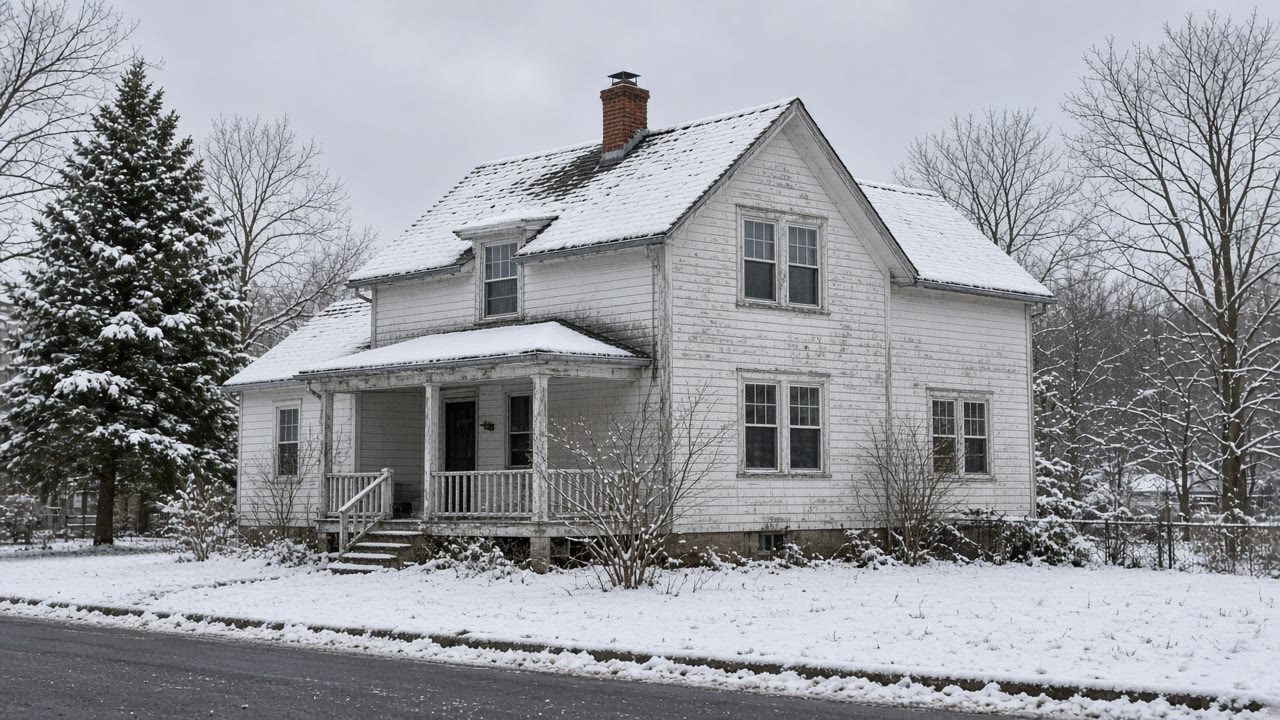
One corner of one ceiling marks up and the rest of the house stays dry. That is the shape of a flashing leak, and it is the commonest real leak on a house in this county. The field of a roof is the easy part: overlapping pieces on a slope, shedding water downhill. Every joint in it is somewhere a person had to make a decision, and the code reads like a list of those places. Section R903.2.1 of the 2025 Residential Code of New York State requires flashing at wall and roof intersections, wherever there is a change in roof slope or direction, and around roof openings, and requires a flashing to divert water away from the point where the eave of a sloped roof meets a vertical sidewall. Chimneys, dormers, valleys, plumbing vents, bath fan hoods and skylights are all on that list. So this work is joinery in metal rather than covering replacement: open the joint, rebuild it in the right order, and tie it into what sheds water above and below it.
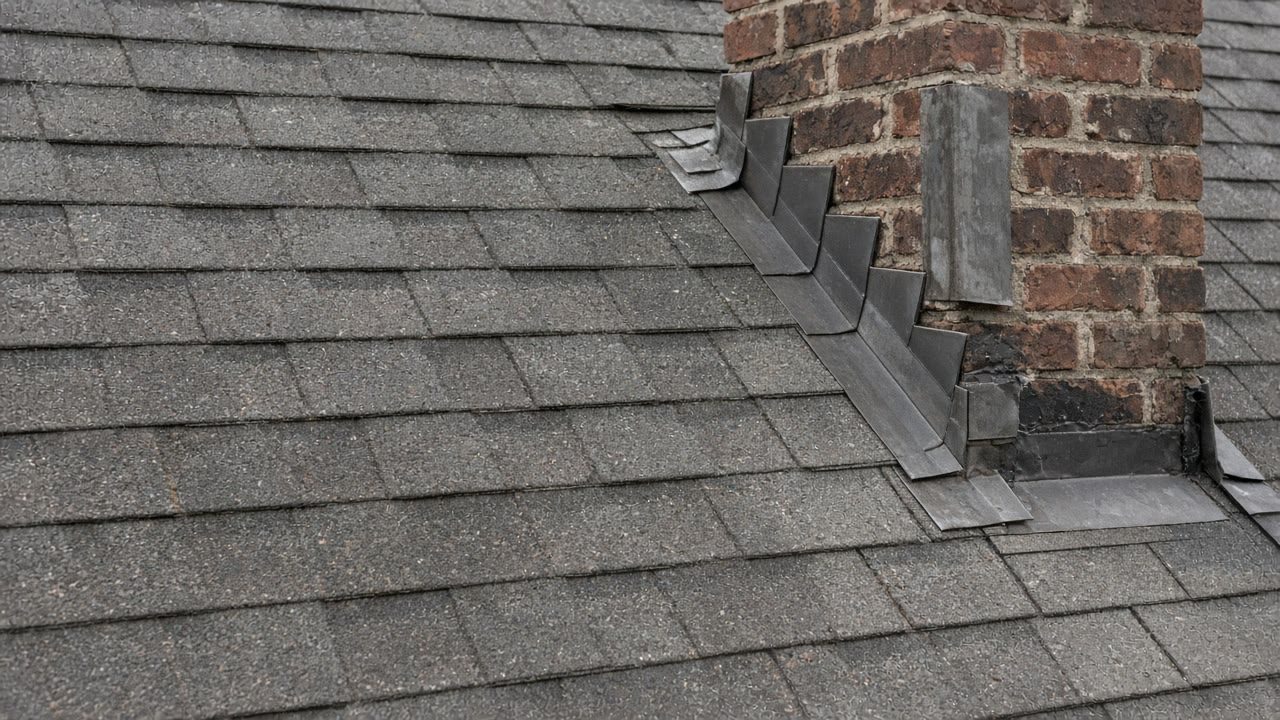
- Step and counterflashing at a chimney, rebuilt in courses rather than sealed over
- Crickets and saddles behind a wide chimney, which the code requires above 30 inches
- Sidewall and headwall flashing where a roof runs into siding, dormer cheeks included
- Kick-out flashing at the bottom of a roof to wall run, the piece missing most often
- Valley relining, open and closed, which has to go in before the shingles either side of it
- Plumbing vent and soil stack flashings, and the collars that seal them to the pipe
- Bath fan and range hood roof hoods, including the ones discharging into the attic instead
- Skylight reflashing and curb detailing, to the unit's own printed instructions
- Drip edge and rake edge, where the order of the underlayment decides whether it works
- Counterflashing let into masonry rather than surface-nailed and caulked over
- Stripping roof cement off a joint that was never built right, and then building it
- Reflashing at the time a covering comes off, which is the only moment some of it can be done
What decides a flashing job
This work is priced by what has to come apart to reach the joint, and by whether the detail was ever right in the first place. These are the things that decide it, and several of them you can check from the ground.
Which joint it is
The code names the places, and they are the same places that leak: wall and roof intersections, changes in slope, changes in direction, openings, and the point where an eave runs into a sidewall. Each one is a different job. A chimney is masonry and metal in courses. A valley cannot be touched without opening the shingles on both planes. A pipe flashing is a short item if nothing around it has rotted. Naming the joint is most of pricing the work.
How wide the chimney is
There is a number and you can check it from the ground with a tape. Section R903.2.2 of the 2025 Residential Code of New York State requires a cricket or saddle on the ridge side of any chimney or penetration more than 30 inches wide, measured perpendicular to the slope, in sheet metal or in the same material as the roof covering. A wide chimney with nothing built up behind it is being asked to hold snow and water against masonry, and repointing the brick does nothing about that. It is the commonest chronic leak in this county and the one most often handed to the wrong trade.
Whether there is sealant at the joint
Sealant at a roof to wall junction is a diagnosis, not maintenance. Section R905.2.8.3 requires base flashing against a sidewall to be continuous or step flashing, not less than 4 inches in height and 4 inches in width, with the vertical leg running continuously under the siding, and counterflashing as well where there is anchored masonry veneer. Metal surface-nailed over the siding and bedded in roof cement does not meet that, it is visible from the ground, and it tells you the detail was never built rather than that it wore out.
Whether the house has been re-sided since the roof went on
It decides how much damage is already hidden. The Department of Energy's guide on roof-wall flashing states that where sidewall flashing is missing or inadequate, water leaks into the wall and seriously damages sheathing, framing and insulation and grows mold in the cavities, and that while older wood siding showed the trouble as peeling paint, fiber cement, vinyl siding and brick veneer can mask it for years. Re-siding is common on housing of the age this county has, so nothing visible outside is not evidence of a sound joint.
Whether a kick-out was ever fitted
It is the single most often missing piece of metal on a house. The Department of Energy directs that step and kick-out flashing be installed at all roof to wall intersections, that step flashing extend at least 4 inches up the wall and 4 inches out along the deck, that the pieces lap shingle fashion into the wall's drainage plane, and that siding end at least one inch above the roof surface. It notes that site-made diverters are often undersized or have unsealed seams. Two things to look for from a ladder: a piece of metal turning the water out into the gutter at the bottom of the run, and daylight between the bottom of the siding and the shingles.
What the plumbing vent flashing is doing
Nobody publishes a service life for a pipe boot, and a quote that names one has invented it. What the code does instead is hand the detail over: section R905.2.8.4 sets no dimensions at all for soil stack, vent pipe and chimney flashing and requires them to be applied in accordance with the asphalt shingle manufacturer's printed instructions, with the whole flashing section subject to those instructions. So the questions worth asking are which shingle is up there and what its instructions require, and the evidence is what the collar and the metal actually look like.
Whether the valley can be reached without opening the roof
It usually cannot, and that is the honest part of a quote. Section R905.2.8.2 requires valley linings to be installed before the shingles go on, and sets minimum widths by type: metal not less than 24 inches wide in an open valley, two plies of mineral-surfaced roll roofing with an 18 inch bottom layer and a top layer not less than 36 inches, or one ply of smooth roll roofing not less than 36 inches wide in a closed valley. A valley carries the water off two roof planes at once and the lining sits under everything, so anything promising to fix one without disturbing the shingles is describing a surface treatment.
What two months of real heat do to the rubber parts
The metal at a joint outlives the rubber in it, and the sun decides how fast. The NOAA 1991 to 2020 normals give Hancock International 58.3 days a year with a high above 80F and 6.8 above 90F, which is not much heat by national standards and is plenty to work on the collars at plumbing vent penetrations while the shingles around them are still sound. That is why an otherwise healthy roof can start leaking at a vent pipe and nowhere else.
Water in one corner and nowhere else?
That pattern points at a joint, and joints are named, checkable things rather than a mystery.
How a flashing repair runs
Name the feature the water shows up under
A chimney, a skylight, a dormer, a valley, a bathroom, or the corner where a lower roof meets the wall of the house. That one word narrows the job more than anything else you can tell us, and it costs nothing to say on the phone.
The joint gets found from both sides
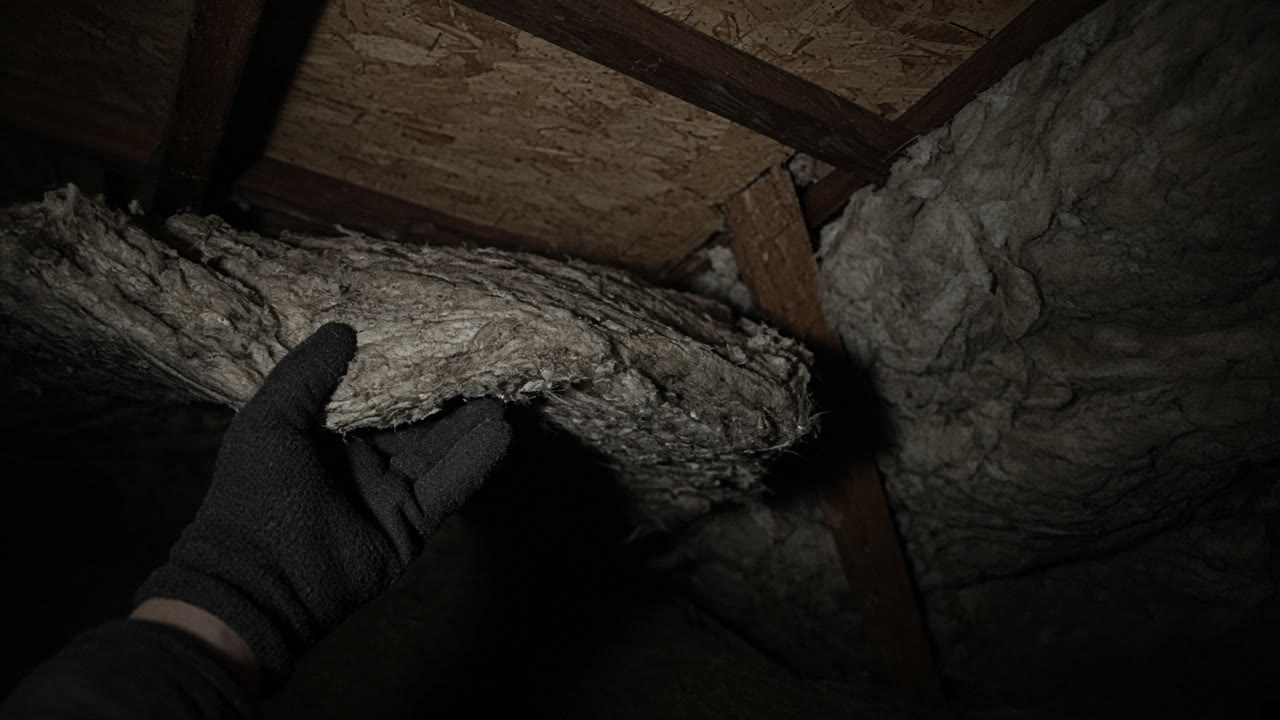
From the attic, a stain running down one rafter or a rusted line of nail points puts the entry above it. From the roof, the joint above that gets opened enough to see what is actually there: how far the metal runs up the wall, whether it is in courses or in one strip, and whether anything is holding it on besides sealant.
The order of the layers gets settled before anything is bought
Flashing works by the sequence the pieces lap in, not by the sealant on top of them. Step pieces lapped shingle fashion, the vertical leg under the siding or behind the counterflashing, and the wall's own drainage plane carried over the top of it. Getting that order wrong is how a rebuilt joint leaks again the same week.
Masonry and metal get separated
At a chimney the flashing is roofing and the brick, the crown and the liner are not. Where the masonry itself is the problem that gets said plainly and arranged as masonry, because new metal fitted against a failing crown is money spent in the wrong order.
The joint is rebuilt rather than dressed back down
Corroded, split or surface-nailed flashing comes out. New metal goes in at the dimensions the code sets, 4 inches up and 4 inches out at a sidewall, corrosion resistant and not less than 0.019 inch thick where it is metal, which is No. 26 galvanized sheet. At a pipe penetration the method is whatever the shingle manufacturer's instructions require, so the product that is up there decides it.
A cricket goes in where one is required
Behind a chimney more than 30 inches wide across the slope, in sheet metal or in the roof covering itself, so water and snow are split and sent around the masonry rather than held against it. Unit skylights flashed to the manufacturer's instructions are excepted from that requirement, which is why a skylight and a chimney of the same width get different answers.
The kick-out goes back on at the bottom
The last piece of metal on a roof to wall run turns the water out into the gutter instead of behind the siding, and the siding above gets held clear of the roof surface. It is a small part, it is cheap, and what it protects is the wall cavity, which is the expensive thing behind it.
What flashing repair looks like

What flashing work covers
When you may not need this at all
- If sealant is the only thing holding a joint together, the joint needs building rather than resealing. More sealant is the cheapest way to buy one more year, and it is worth knowing that is what you are buying.
- You may not need any of this. A mark under a bathroom in February is often a bath fan discharging into the attic rather than a leaking vent hood, and that is attic work with no metal in it.
- If the covering is worn out across the whole roof, rebuilding one joint is spending on something that has to come off anyway. One failure is a repair. Several in different places is the covering telling you something else.
- If the chimney is unused, taking it down to below the roofline and covering over is sometimes cheaper than flashing and maintaining it forever. That is a masonry decision and it is worth asking before paying for metal.
- A skylight that drips around the edge of the glass only in winter may be condensing rather than leaking. A cold pane in a humid bathroom does exactly what a cold roof deck does, and the rule is the same: any surface below the dew point of the air touching it collects water out of it.
- If it only ever happens in wind driven rain from one direction and the joint looks sound, the entry may be in the siding above the roof rather than in the roof. That is a different trade, and saying so is not a brush off.
What is out of scope
- Chimney masonry: repointing, crowns, top course rebuilds, liners and caps. The metal where the chimney passes through the roof is roofing; the brickwork is not.
- Supplying and fitting new skylight units, and cutting a new opening in a roof.
- Siding replacement above a roof line, beyond lifting and reinstating what has to come off to reach the flashing.
- Interior plaster, drywall and paint repairs under the leak.
- Gutter and downspout replacement as standalone work.
- Chimney sweeping, and any statement about whether a flue is safe to use.
- Views on whether your insurer is likely to pay for any of this.
Towns where we arrange flashing repairs
- Flashing Repair in Syracuse
- Flashing Repair in East Syracuse
- Flashing Repair in Clay
- Flashing Repair in Cicero
- Flashing Repair in DeWitt
- Flashing Repair in North Syracuse
- Flashing Repair in Salina
- Flashing Repair in Liverpool
- Flashing Repair in Camillus
- Flashing Repair in Geddes
- Flashing Repair in Solvay
- Flashing Repair in Manlius
- Flashing Repair in Fayetteville
- Flashing Repair in Skaneateles
- Flashing Repair in Elbridge
- Flashing Repair in Pompey
What people ask about a leak at one spot
The roof was done a few years ago and it leaks at the chimney. Is that the roofer's fault?
It might be, and it might be a detail nobody ever built. The place to start is what is physically up there. Section R905.2.8.3 of the 2025 Residential Code of New York State requires base flashing at a sidewall to be continuous or step flashing, not less than 4 inches in height and 4 inches in width, with the vertical leg running continuously under the siding, and counterflashing too where the wall is anchored masonry veneer. If what is up there is a strip of metal nailed over the face of the brick and bedded in roof cement, the joint was never built to that, whoever did it. Separately, if the chimney is more than 30 inches wide across the slope with nothing built up behind it, section R903.2.2 required a cricket there, and its absence will keep producing this whatever else gets sealed.
It only leaks in heavy wind driven rain. Does that mean the roof is failing?
Usually the opposite. A covering that handles ordinary rain and fails when the rain arrives sideways is a covering doing its job on a joint that is not doing its. Water driven horizontally gets behind a flashing leg that is too short, over a step piece that was not lapped, or into a gap where siding sits flat on the shingles. The Department of Energy's flashing guidance asks for step flashing at least 4 inches up the wall and 4 inches out along the deck, lapped shingle fashion into the wall's drainage plane, with the siding ending at least one inch above the roof surface and a kick-out at the bottom of the run sized for the flow. Every one of those is a wind driven rain detail, and every one of them is a thing somebody either did or skipped.
How long does a plumbing vent boot last?
Nobody publishes a figure for it, and anyone who gives you one is quoting a trade habit rather than a source. What can be said is what the code does: section R905.2.8.4 of the 2025 Residential Code of New York State sets no dimensions and no durability requirement for soil stack, vent pipe and chimney flashing, and requires instead that they be applied in accordance with the asphalt shingle manufacturer's printed instructions. So the honest answer is that it depends on the product that was used, and the useful answer is that a collar is a thing you can look at: split, cupped, pulled away from the pipe, or with the metal rusted along the nail line. That is evidence. Years are not.
Can a valley be fixed without stripping the shingles either side of it?
Not properly. Section R905.2.8.2 requires the valley lining to be installed before the shingles go on, and sets its minimum width by type: metal not less than 24 inches wide in an open valley, two plies of mineral-surfaced roll roofing with an 18 inch bottom layer and a top layer not less than 36 inches, or in a closed valley one ply of smooth roll roofing not less than 36 inches wide, with a self-adhering polymer modified bitumen underlayment permitted in place of the lining. Because the lining sits under the covering, reaching it means opening the courses on both planes. A quote to fix a leaking valley without disturbing the shingles is offering a surface treatment sold under the same name.
There is no mark outside at all. Can water really be getting into the wall?
Yes, and modern cladding is the reason you cannot see it. The Department of Energy's roof-wall flashing guide states that where sidewall flashing is missing or inadequate, water leaks into the wall and causes serious damage to sheathing, framing and insulation and mold in the wall cavities, and that while older wood siding showed the problem as peeling paint, newer claddings such as fiber cement, vinyl siding and brick veneer can mask the evidence for years. On this county's older housing, re-siding is common, so the absence of an exterior symptom is not reassurance. The place to look is inside, on the ceiling and the wall just below where the roof runs into the house.
Is this worth doing on its own, or should I wait for a new roof?
It depends how many joints are involved and what shape the covering is in. A single bad detail on a covering that still sheds water is a genuine repair, and rebuilding it properly is a fraction of what a covering costs. The reason to hold some of it back is that a few details cannot be done any other way: the valley lining goes under the shingles, and so does the underlayment order at the eave and the rake. So the practical rule is that joints reachable on their own get fixed on their own, and the rest is planned for whenever the covering next comes off.
Name the feature the mark sits under
Chimney, skylight, valley, dormer or wall. Each one is a different repair.