
Porch and Wall Flashing on Solvay Village Houses
Flashing at a wall is not one piece of metal, it is a series of pieces that have to be woven into the wall's own way of shedding water.
Flashing Repair quote in Solvay
Share a few details so we can confirm coverage and arrange the right next step.
Would you rather talk it through? Call (315) 640-3590, answered 24/7.
$100 off your first job
Credited by us on your first booked job.
- One credit per customer per property, on your first booked job.
- Valid through December 31, 2026.
Mention this offer when you book. Full terms.
How a village wall and roof are meant to work together
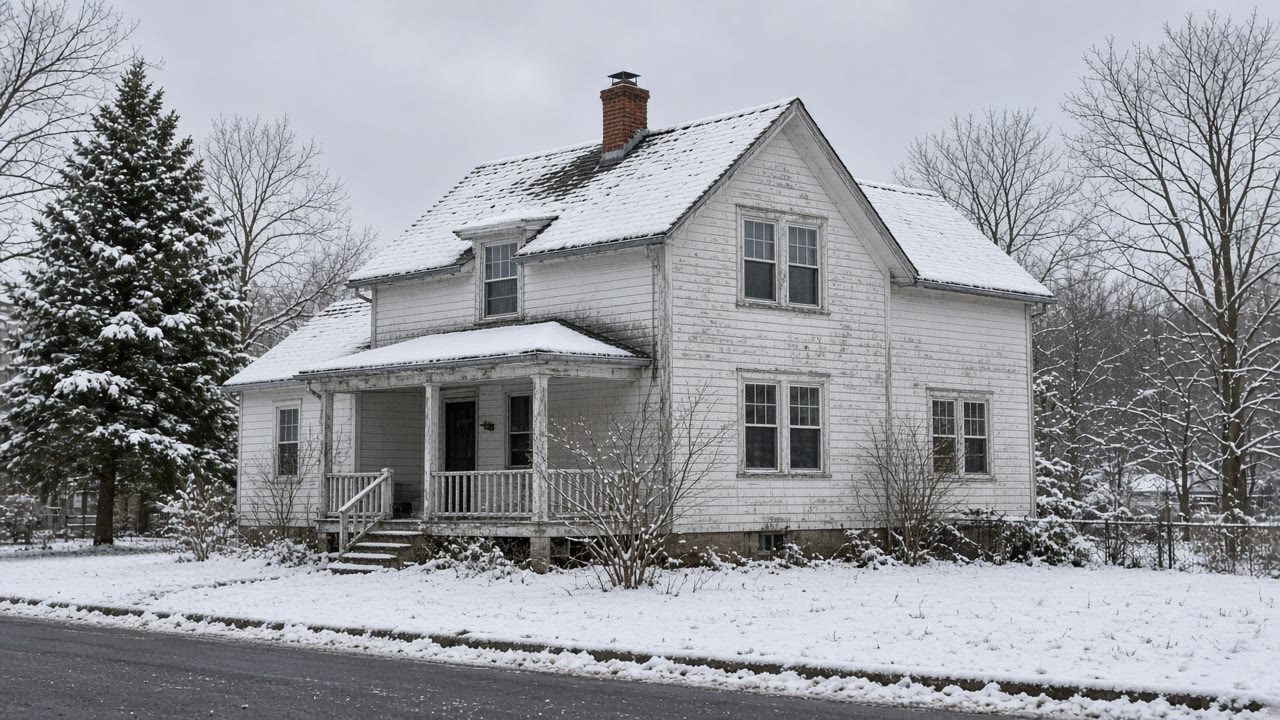
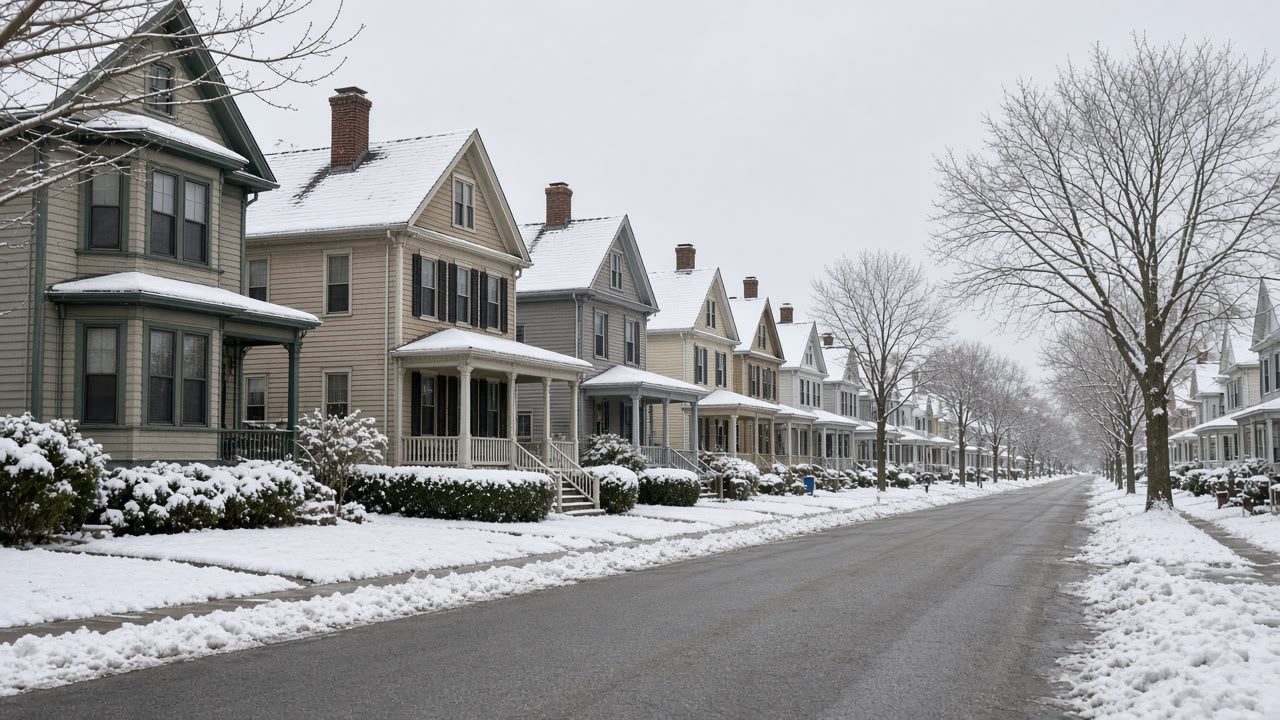
The roof and the wall are two drainage systems and the flashing is where they are supposed to be joined. Federal guidance directs that step and kick-out flashing be installed at all roof to wall intersections and boot or collar flashing at every penetration, that step pieces extend at least 4 inches up the wall and 4 inches out along the deck, that they be lapped shingle fashion and integrated with the wall drainage plane above, and that siding finish at least one inch above the roof surface. Solvay village is largely built from exactly the forms this describes: 48.1 percent single-family detached, 18.3 percent in two-unit buildings and 8.4 percent in three and four unit buildings, with porches, rear additions and lower roofs running into taller walls.
What flashing repair involves
What separates a real repair from a cosmetic one here
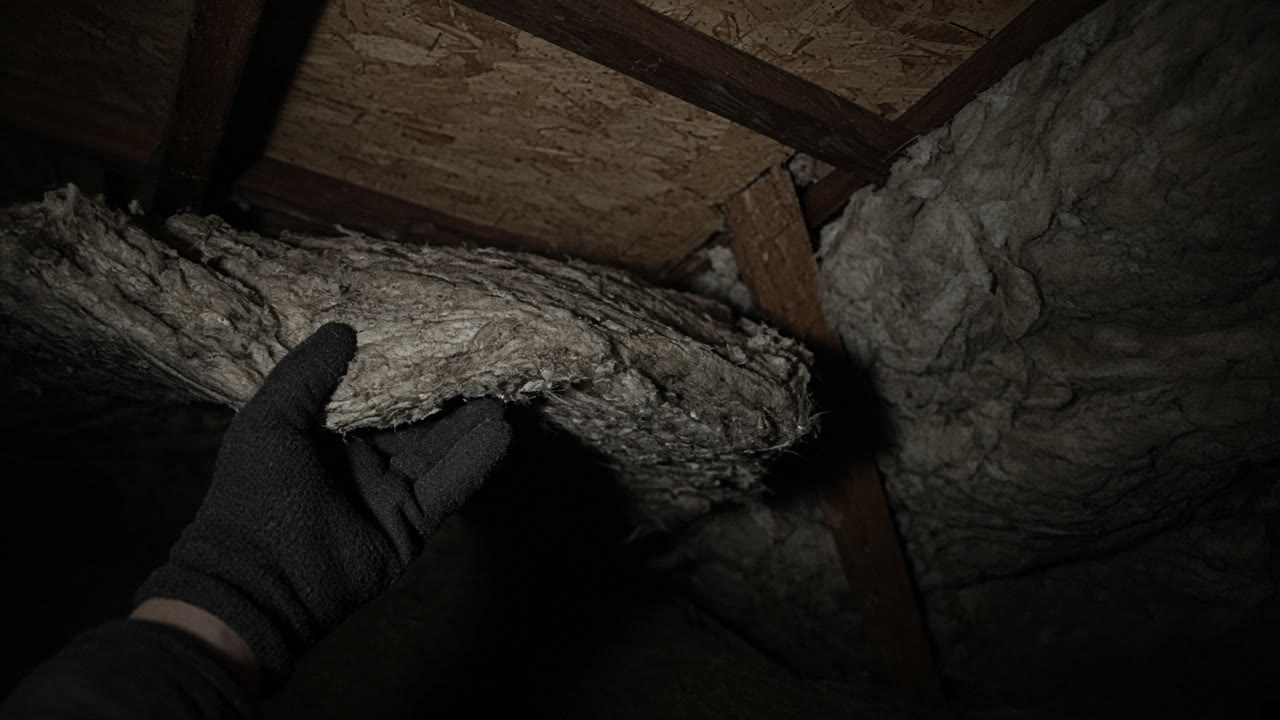
Ask what the flashing is being tied into, because that single question separates the two kinds of quote. A proper repair lifts the cladding, sets each step piece so it laps the one below and tucks behind whatever the wall uses to shed water, and finishes with the siding held clear of the roof surface. A cosmetic repair lays metal or sealant over the top of everything and relies on adhesion. On a village house with a 1947 median build year, the wall has usually been re-clad at least once already, which means somebody has been in there before and the way they left it is what you are living with.
Ask how the metal meets the wall layer
Step pieces belong behind whatever sheds water down the wall. On top of the cladding is the version that leaks again.
Check the siding is clear of the roof
An inch of gap is what the guidance asks for. Boards sitting on the shingles hold water against the wall every time it rains.
Find out what previous work left behind
Most village walls here have been re-clad once. What happened to the flashing during that job is usually the heart of the problem.
What a village porch roof needs where it meets the wall
Solvay village has 3,292 housing units of which 48.1 percent are single-family detached, 18.3 percent are in two-unit buildings and 8.4 percent in three and four unit buildings. 91.4 percent of the village was built before 1980 and only 8.6 percent since, the lowest post-1980 share of any place on this site.
Source: US Census Bureau, American Community Survey 2020-2024 5-year estimates, tables B25034 year structure built, B25035 median year structure built, B25024 units in structure and B25003 tenure, accessed 2026-09-14
The Department of Energy guide directs that step and kick-out flashing be installed at all roof-wall intersections and boot or collar flashing at all roof penetrations, that step flashing extend at least 4 inches up the wall and 4 inches out along the roof deck, that the pieces be lapped shingle fashion and integrated with the wall drainage plane above, that siding end at least one inch above the roof surface, and that the kick-out at the lower end of the intersection be large enough for the expected flow. It notes that site-made diverters are often undersized or have unsealed seams.
Source: US Department of Energy, Building America Solution Center, Pacific Northwest National Laboratory, accessed 2026-09-14
In Solvay village the median year of construction is 1947. Of 3,292 housing units, 43.1 percent were built in 1939 or earlier, 53.6 percent before 1950, 91.4 percent before 1980 and 8.6 percent in 1980 or later. 48.1 percent are single-family detached and 51.3 percent of occupied units are owner occupied.
Source: US Census Bureau, American Community Survey 2020-2024 5-year estimates, tables B25034 year structure built, B25035 median year structure built, B25024 units in structure and B25003 tenure, accessed 2026-09-14
Send a photo where the porch roof meets the wall
And of the wall inside below it. We arrange an insured contractor who ties the flashing into the wall properly.
Flashing questions from Solvay homeowners
The porch roof meets the wall and the plaster inside is blown. Is the porch roof finished?
Not necessarily, and it is worth separating the two. A failed junction delivers water into the wall regardless of what condition the porch covering is in, and blown plaster on the inside face of that wall is the classic result. Fixing the joint is a much smaller job than recovering the porch, and sometimes both are needed, but they should be priced separately.
Does the siding really have to come off?
Some of it, at the junction, and usually less than people fear. The vertical parts of the flashing have to sit behind the cladding to do their job, so a repair that leaves the siding untouched has put the metal on the wrong side of the water. A good contractor will tell you how much comes off and how it is reinstated.
Get the junction rebuilt, not covered
Tell us the Solvay address and what is damp inside. No obligation, and the porch itself may be fine.