
Homemade Diverters on Pompey Roofs
A diverter made on site out of a scrap of aluminum is the most common homemade roof repair there is, and it is almost always too small.
Flashing Repair quote in Pompey
Share a few details so we can confirm coverage and arrange the right next step.
Would you rather talk it through? Call (315) 640-3590, answered 24/7.
$100 off your first job
Credited by us on your first booked job.
- One credit per customer per property, on your first booked job.
- Valid through December 31, 2026.
Mention this offer when you book. Full terms.
Why site-made flashing on a Pompey roof falls short
There is nothing wrong with doing your own work and this one detail defeats most attempts. Federal guidance directs that step and kick-out flashing be installed at all roof to wall intersections, that step pieces extend at least 4 inches up the wall and 4 inches out along the deck, that they be lapped shingle fashion and tied into the wall drainage plane above, that siding finish at least one inch above the roof surface, and that the kick-out at the bottom of the run be large enough for the expected flow. It then notes that site-made diverters are frequently undersized or have unsealed seams. Pompey has the highest owner occupancy on this site at 97.1 percent, and people here look after their own buildings.
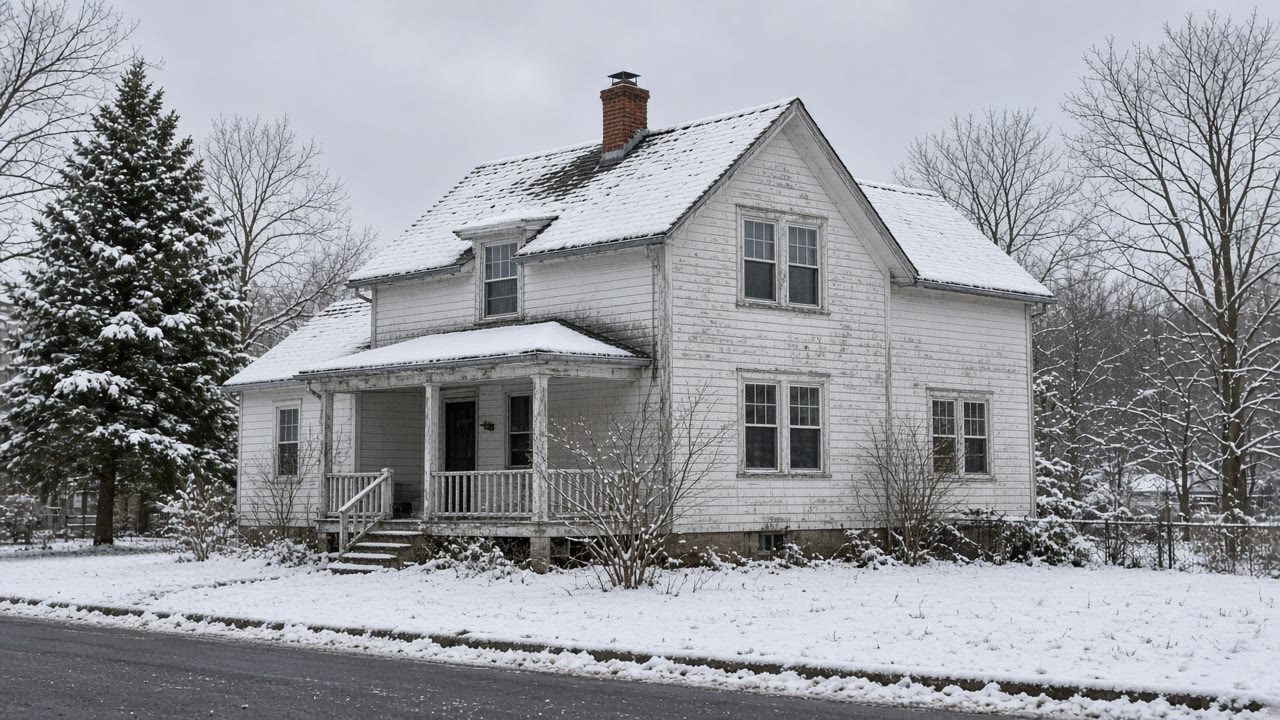
What flashing repair involves

Judging whether the piece up there is doing its job
Two things tell you, and both are visible from a ladder. Size first: the piece at the bottom of a roof to wall run has to carry everything that slope collected in a heavy storm, so anything you could cover with a hand is probably not enough. Seam second: a diverter bent up from flat stock has a joint in it, and unless that joint is soldered or properly sealed it lets water through at exactly the point of highest flow. With 94.1 percent of this town's housing single-family detached, most of these junctions are on garages, additions and porches where the owner could reach them, which is precisely why so many have been improvised.
Compare the size against the flow
The kick-out has to handle everything off that slope in a downpour. A small folded piece is not a small version of the right answer, it is the wrong one.
Look for a seam in the metal
A diverter bent from flat stock has a joint at the corner. Unsoldered and unsealed, it leaks where the flow is heaviest.
Check the siding clearance while you are there
An inch of gap between the bottom of the cladding and the roof surface is what the guidance asks for, and it is often the second half of the same fault.
What the guidance says about improvised flashing
The Town of Pompey has 2,901 housing units of which 94.1 percent are single-family detached, the highest share of any town on this site, with 1.9 percent mobile homes, only 0.3 percent in two-unit buildings and owner occupancy of 97.1 percent, also the highest. 23.5 percent of the housing was built in 1939 or earlier and 49.8 percent in 1980 or later, with almost nothing in between.
Source: US Census Bureau, American Community Survey 2020-2024 5-year estimates, tables B25034 year structure built, B25035 median year structure built, B25024 units in structure and B25003 tenure, accessed 2026-09-14
The Department of Energy guide directs that step and kick-out flashing be installed at all roof-wall intersections and boot or collar flashing at all roof penetrations, that step flashing extend at least 4 inches up the wall and 4 inches out along the roof deck, that the pieces be lapped shingle fashion and integrated with the wall drainage plane above, that siding end at least one inch above the roof surface, and that the kick-out at the lower end of the intersection be large enough for the expected flow. It notes that site-made diverters are often undersized or have unsealed seams.
Source: US Department of Energy, Building America Solution Center, Pacific Northwest National Laboratory, accessed 2026-09-14
In the Town of Pompey the median year of construction is 1980. Of 2,901 housing units, 23.5 percent were built in 1939 or earlier, 25.7 percent before 1950, 50.2 percent before 1980 and 49.8 percent in 1980 or later. 94.1 percent are single-family detached and 97.1 percent of occupied units are owner occupied.
Source: US Census Bureau, American Community Survey 2020-2024 5-year estimates, tables B25034 year structure built, B25035 median year structure built, B25024 units in structure and B25003 tenure, accessed 2026-09-14
Send a photo of the bottom of the run
Where the roof dies into the wall. We arrange an insured contractor who fits a piece sized for the flow.
Other roof work in the Town of Pompey
Flashing questions from Pompey homeowners
I made the diverter myself years ago and it seemed fine. What changed?
Often nothing changed except the seam. Sealant at a folded corner has a limited life in this climate, and once it opens the water goes through at the busiest point of the whole detail. A manufactured or properly soldered piece sized for the flow removes the part that was always going to fail.
Can I fit a proper one myself?
The piece itself is straightforward and the part that defeats most attempts is getting it behind the cladding and lapped correctly with the step flashing above. If the siding at that corner is coming off anyway, it is a reasonable job to take on. If it is not, having somebody release and reinstate the cladding properly is usually what makes the difference between a repair and a repeat.
Replace the improvised piece properly
Tell us the Pompey address and what is up there now. No obligation, and this is small, focused work.