
Vent and Fan Hood Flashing on DeWitt Roofs
Every fan, pipe and hood on your roof is a hole somebody cut on purpose, and the flashing around it is the only thing keeping the weather out.
Flashing Repair quote in DeWitt
Share a few details so we can confirm coverage and arrange the right next step.
Would you rather talk it through? Call (315) 640-3590, answered 24/7.
$100 off your first job
Credited by us on your first booked job.
- One credit per customer per property, on your first booked job.
- Valid through December 31, 2026.
Mention this offer when you book. Full terms.
The openings added to a DeWitt roof after it was built
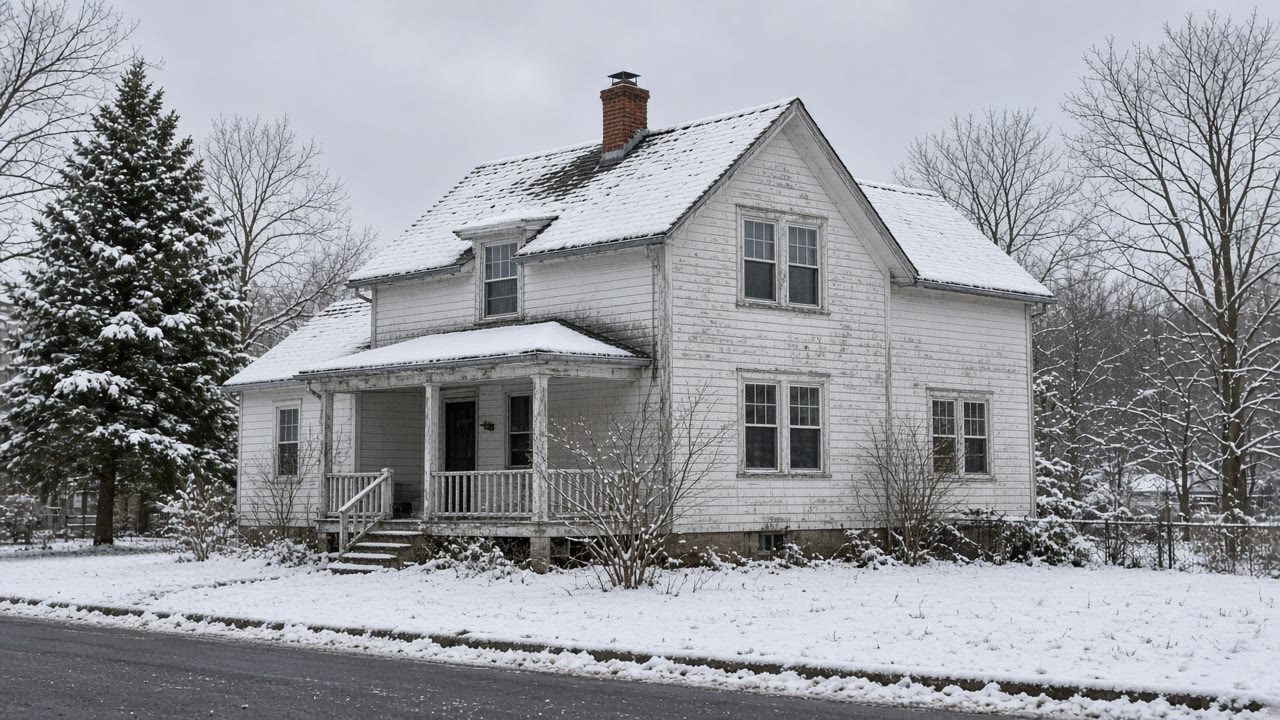
Count the things sticking out of your roof. Section R903.2.1 of the 2025 Residential Code of New York State requires flashing around roof openings as well as at wall intersections and slope changes, and on a town's worth of houses built around a 1963 median, most of those openings were cut after the roof was finished. Bath fans, kitchen hoods, additional plumbing vents and attic fans all arrived later, in whatever way suited the day. The federal requirement for a bath fan is that it discharges outdoors and never into an attic, crawlspace, garage, floor space or wall cavity, and the hood that lets it do so is a flashed penetration like any other. DeWitt's 10,996 homes carry a lot of them.
What flashing repair involves
Deciding which penetration is the one leaking
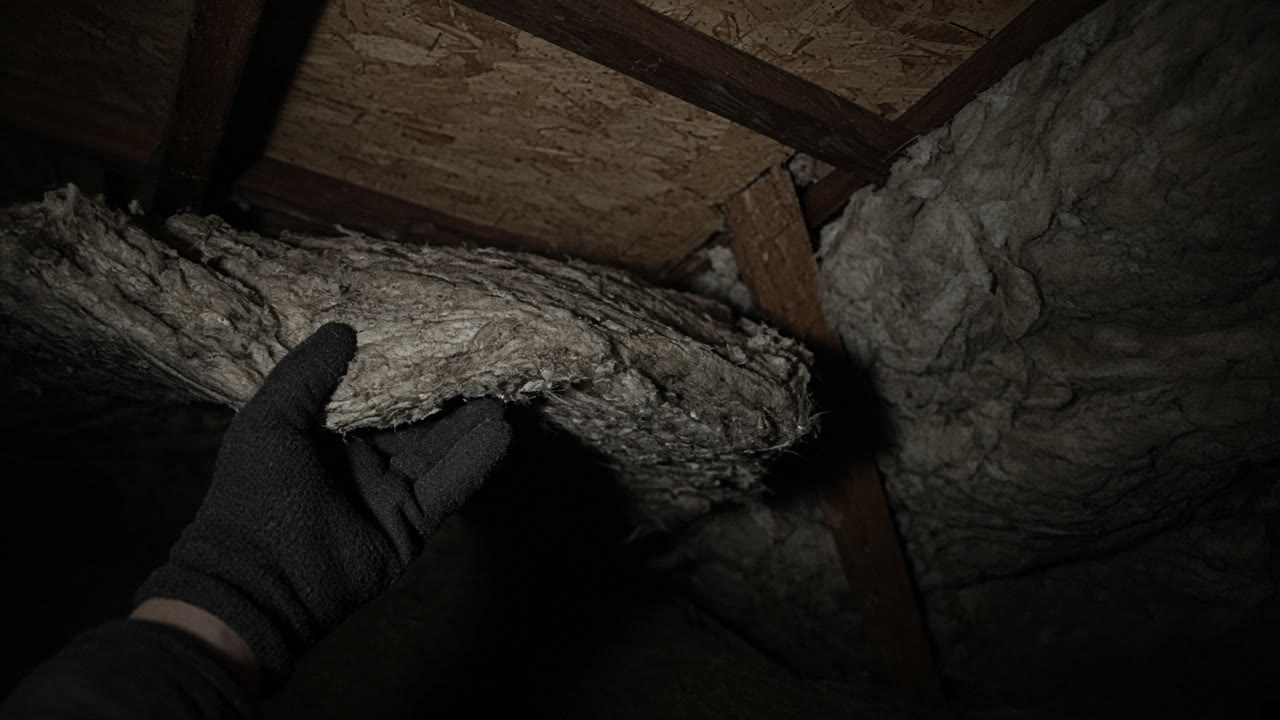
Work uphill from the stain and count what is on that slope. A penetration only wets what is below it, so the candidates are the pipes, hoods and fans between the ridge and the mark, which usually narrows a roof to two or three suspects. Then ask what the flashing around each of them actually is: a proper base flashing woven into the courses, or a plastic collar surface-nailed and sealed. The second version is common on retrofitted openings, and it is why a house with a sound covering can have a persistent drip beside one vent. None of that needs a new roof, and saying so early is the point of looking.
Inventory the slope above the stain
Only what sits uphill of the mark can be feeding it. On most houses that reduces the search to two or three penetrations.
Ask where the bath fan actually goes
A fan ducted into the attic is both a moisture problem and a missing roof hood. Finding it solves two complaints with one piece of work.
Look at how each opening is finished
A woven base flashing lasts. A collar nailed on the surface and sealed is a repair waiting to be redone, and it is easy to spot from a ladder.
What gets cut into a DeWitt roof after the build
The Town of DeWitt has 10,996 housing units of which 69.5 percent are single-family detached, 6.2 percent sit in two-unit buildings and 2.6 percent are mobile homes, with 73.6 percent owner occupancy. 75.8 percent of the town was built before 1980 and only 24.2 percent since.
Source: US Census Bureau, American Community Survey 2020-2024 5-year estimates, tables B25034 year structure built, B25035 median year structure built, B25024 units in structure and B25003 tenure, accessed 2026-09-14
The Department of Energy guide requires that a bathroom exhaust fan be ducted to discharge outdoors and not into an attic, crawlspace, garage, interstitial floor space or wall cavity, that the first three feet of duct leaving the fan be straight, that joints be sealed, that the duct be insulated to limit condensation, and that where the housing sits in an attic it be covered with an airtight insulated box sealed to the ceiling drywall.
Source: US Department of Energy, Building America Solution Center, Pacific Northwest National Laboratory, accessed 2026-09-14
Section R903.2.1 of the 2025 Residential Code of New York State requires flashings at wall and roof intersections, wherever there is a change in roof slope or direction, and around roof openings, and requires a flashing to divert water away from the point where the eave of a sloped roof meets a vertical sidewall. Where the flashing is metal it must be corrosion resistant and not less than 0.019 inch thick, which is No. 26 galvanized sheet.
Source: 2025 Residential Code of New York State, via UpCodes, accessed 2026-09-14
List what is on the slope above the stain
Pipes, hoods, fans or a skylight. We arrange an insured contractor who rebuilds the opening rather than the roof.
Other roof work we arrange in DeWitt
Penetration questions from DeWitt homeowners
The drip is right beside the bathroom vent pipe. Is that the cause?
It is the first thing to look at, and it is worth being sure rather than assuming, because water tracks along the underside of a deck before it drops. A short water test on that penetration with somebody watching inside settles it in minutes and stops you paying for the wrong repair.
My bath fan blows into the attic. Does that need a roof hood?
It needs to discharge outdoors, and through the roof or through a wall are both legitimate routes depending on the layout. What it cannot do is finish in the insulation, which puts a measured amount of water into the roof space every day. Correcting it usually involves a new flashed hood and a properly supported, sealed and insulated duct run.
Get the penetration proved before anything is priced
Send the DeWitt address and a photo of the roof face. No obligation, and one hood is often the whole job.