Leak diagnosis in Clay
Roof leak diagnosis in Clay, NY: when does your ceiling stain show up?
Roof leak diagnosis in Clay, NY starts with one question: did the stain show up in rain, or after a cold clear night? Tell us which, and we book a diagnostic visit with an independent roofing contractor, whose written proposal names the work.
Asking where the water gets in commits you to nothing.
What we do
We help you find where the water really gets in and book a diagnostic visit with an independent roofer, who puts the fix in a written proposal.
Our word before the ladder goes up
- You owe nothing for asking, and you can walk away.
- The visit looks for the way in before any roof talk.
- You see the repair proposal in writing before work starts.
- The $100 credit follows the rules on our Terms page.
The roofer you hire answers for their own work and contract.
Signed Roofing Pros Syracuse, (315) 640-3590
What this word covers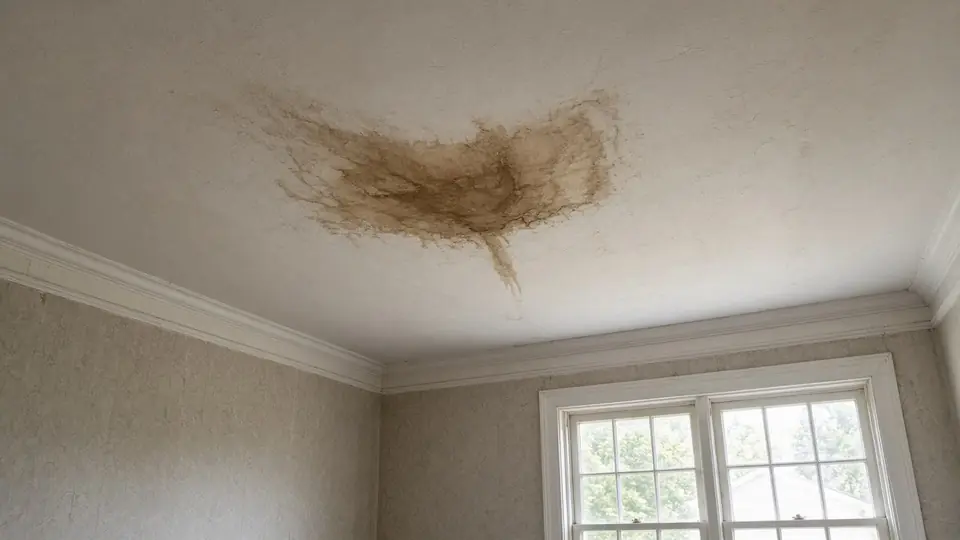
Questions
Questions about roof leak diagnosis, for Clay
Can a Clay stain grow when it has not rained for days?
Yes. Indoor air that leaks into a cold attic can condense under the deck and drip. Note the dates the stain grows and the weather on each. The pattern tells the contractor a lot.
Should I paint over the Clay stain while I wait?
Photograph it first, mark its edge with a pencil and date it. A painted stain hides whether it is growing. You can paint once the cause is found.
What does the visit cost me?
Asking us costs you nothing. Ahead of booking, ask the roofer whether the visit has a charge of its own, and get that in writing. The roofer sets the price of any repair, and the written proposal arrives before any work begins.
My stain is above a bathroom. Does that matter?
It does. A fan that empties into the attic puts steam right under the deck. Tell the contractor where that fan duct ends. If the bath light or fan under the stain is wet, switch it off at the breaker and leave it alone.
Roof leak diagnosis in Clay: why a ceiling can stain with the roof intact
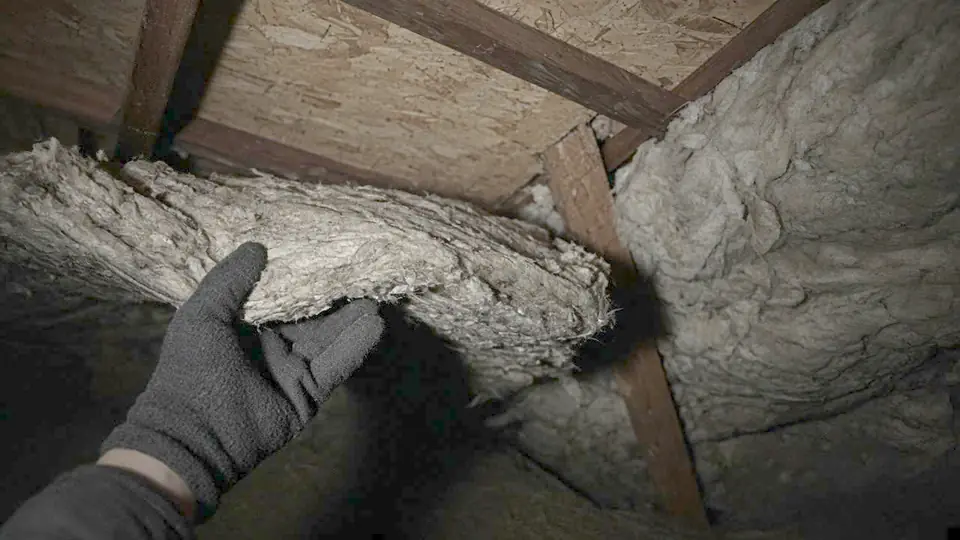
Nearly half of Clay's housing was built from 1950 to 1979. In a house of that age, the attic sits directly over the rooms below. The ceiling below is full of small gaps: light boxes, wiring holes, a fan duct, a hatch.
Warm room air climbs through those gaps. On a cold night the underside of the roof deck is far colder than the air reaching it, and moisture condenses on whatever surface sits below the dew point. It can show first as frost. When the attic warms by midmorning, the frost melts and drips onto the ceiling.
That is how a stain can grow on a morning after a clear night with no rain at all. At Syracuse Hancock Airport, a normal January brings about twelve days with no measurable precipitation.
If your stain moves on days like those, the shingles are not the first suspect. Tell the contractor, and ask them to check the ceiling gaps and the bath fan duct before they climb to the covering.
If you want the longer version, read how to tell a leak from an attic problem.
Signs
Marks that point to roof leak diagnosis in Clay
It grows after a clear cold night
No rain fell, yet the brown ring is wider at breakfast. Write down the date and the weather.
It shows only in or just after rain
Dry for days, then wet in a downpour. That points to a joint, not the attic air.
It sits near an addition or a chimney
Note which wall the stain is closest to, and what is on the roof above that wall.
The same patch came back after paint
A repainted stain that returns means the cause was never reached. Photograph it before you cover it again.
Rain-only stains in Clay: the joint your addition shares with the old roof
If the stain shows only when it rains, the water is coming through the roof, but probably not through the middle of a shingle field. The residential code asks for flashing at roof-to-wall lines and at every change of slope or direction. A Clay house with a later garage or family room has several such lines.
Newer siding can hide the trouble. Vinyl or fiber cement may cover a wet wall for years, while old painted wood would have peeled and warned you. A dry-looking wall outside does not prove the joint behind it is sound.
Ask the contractor to trace the stain to a spot on the roof, and to show you where. If they cannot name the spot, ask what they would check next. The flashing page for Clay lists the joints worth asking about.
What your Clay visit should leave in your hands
The visit ends with a written repair proposal. It names the cause the contractor found, the work they would do, and the order they would do it in. It is a proposal for work.
Read the proposal for three things: where the water gets in, what the repair is, and what stops it coming back. If the cause was attic air, the lasting fix is sealing and venting. Call us if the proposal skips any of the three.
Not sure yet which clue is yours? The attic page for Clay covers the cold-night case in more detail.
Other ways in
When roof leak diagnosis is not where Clay should begin
Low-Slope Roofing
Ask for the pitch before anyone patches again.
Roof Flashing Repair
Name the joint nearest the drip.
Gutters and Drainage
Follow the water from edge to ground.
Attic Ventilation
Seal the ceiling before adding any vents.
Nearby
More roof leak diagnosis pages around Clay
Send the date your Clay stain first showed.