Attic in Clay
Attic ventilation in Clay, NY: why a Clay attic frosts on cold mornings
Frost on the nails in a Clay attic, or a brown ring that grew overnight in January, can mean warm air is getting in and the venting cannot clear it. Attic ventilation in Clay, NY works in an order, and we help you ask for it.
Asking where the water gets in commits you to nothing.
What we do
We help you find where the water really gets in and book a diagnostic visit with an independent roofer, who puts the fix in a written proposal.
Our word before the ladder goes up
- You owe nothing for asking, and you can walk away.
- The visit looks for the way in before any roof talk.
- You see the repair proposal in writing before work starts.
- The $100 credit follows the rules on our Terms page.
The roofer you hire answers for their own work and contract.
Signed Roofing Pros Syracuse, (315) 640-3590
What this word covers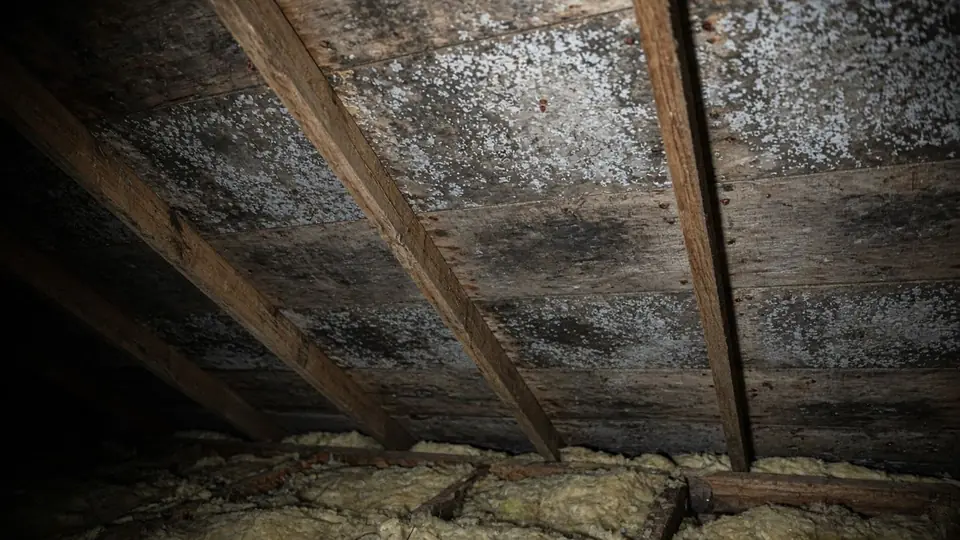
Questions
Questions about attic ventilation, for Clay
Will a bigger roof vent stop frost in my Clay attic?
Not by itself. If warm air keeps leaking up through the ceiling, more vent area just moves more air. Sealing comes first.
Can I add insulation myself?
Ask first. Insulation must not block the eave vents, and baffles hold the gap open. A contractor can place both without you working in the attic.
How do I know whether my attic is the problem?
A stain after a cold night with no rain, frost in the attic, or a fan duct that ends there are the three clues. Tell us which you have.
Do I need to go into my Clay attic?
No. Look from the hatch with a flashlight and take photos. Stay off the ceiling between the joists, because it will not hold you.
Attic ventilation in Clay, NY: seal the ceiling, then vent
The order matters. Federal guidance puts air sealing ahead of new insulation, and names the ceiling plane as the best place to fight condensation in hard cold. First stop the warm air. Then give the attic a way to dry.
If a proposal starts with a bigger vent and says nothing about the ceiling, ask why. The federal guide puts sealing air leaks first.
Hatches are a common leak. The energy code wants them gasketed and insulated to match the ceiling. Check yours with the light off and your hand near the edge. The article on how much attic ventilation a house needs explains the vent math.
Signs
Marks that point to attic ventilation in Clay
Frost on roof nails or the deck
Look with a flashlight from the hatch on a cold morning. Do not walk on the ceiling.
A hatch that is cold or leaks air
Hold your hand near the edges on a windy day. Note drafts.
A fan duct that stops inside the attic
Find the duct. If it stops short of an outside wall or roof cap, say so.
Vents in both the gable and the ridge
Two kinds of high vents can fight each other. Note what you see from the street.
Gable vents, ridge vents and the Clay attic that has both
A house from the 1950s to 1970s may have gable end vents. Someone may later have added a ridge vent on top. Federal guidance warns against running both at once. The gable openings pull air straight across the attic and starve the soffit intake.
Look at your roof from the street. If you see a ridge vent and a louver in the gable, ask what each one does and which the contractor would close. Ask too whether the soffit vents under the eaves are open at all.
Half of Clay's housing dates from 1978 or earlier, so an older house may have had one of these changes already.
Onondaga County is in Climate Zone 5. Under the code the vents total 1/150 of the attic's size, and the smaller 1/300 ratio is on offer only if the high vents near the ridge carry 40 to 50 percent of the total. Ask which split the contractor proposes for your roof.
Bath fans and the moisture that never leaves a Clay house
A bath fan should vent outdoors, not into the attic, and the duct should run as directly out as it can. If your fan ends in the attic, every shower adds steam to the cold deck.
In the heating season, most sources suggest keeping indoor humidity between 30 and 50 percent. Sealing a house can raise it, so the sealing is paired with balanced ventilation. Tell the contractor if your windows fog in winter. That is a clue about your own humidity.
Send us the form, say what you saw in the attic, and ask for the order of work in the written proposal. If the stain is your main worry, the Clay stain page comes first.
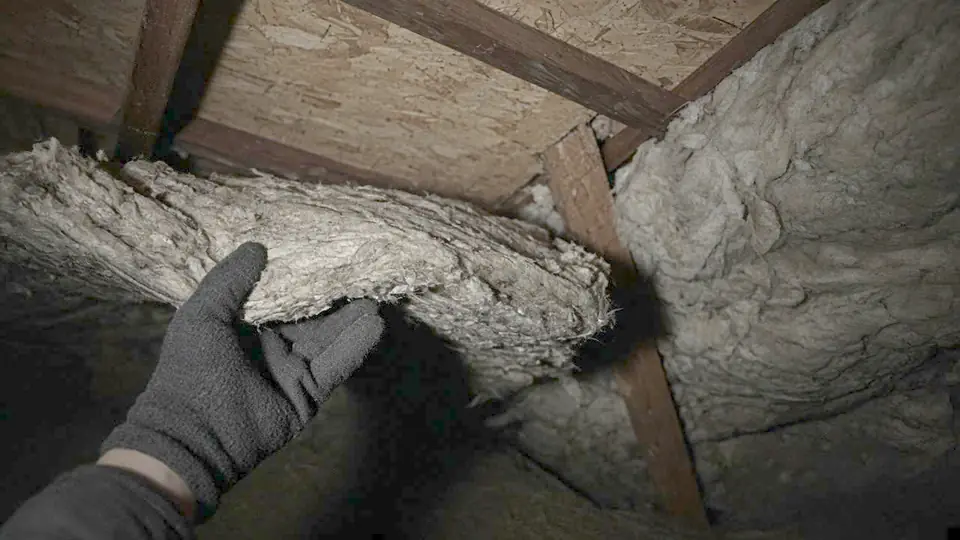
Before the visit, take three photos from the hatch without stepping on the insulation: the underside of the deck near the eave, the top of the insulation, and the fan duct. Add the date and the outside temperature. They tell the contractor what the attic is doing, and they help you judge the proposal later.
Other ways in
When attic ventilation is not where Clay should begin
Roof Leak Diagnosis
Trace the stain to its source first.
Low-Slope Roofing
Ask for the pitch before anyone patches again.
Roof Flashing Repair
Name the joint nearest the drip.
Gutters and Drainage
Follow the water from edge to ground.
Nearby
More attic ventilation pages around Clay
Tell us what you see in your Clay attic.