Attic in North Syracuse
Attic ventilation in North Syracuse, NY: frost on the boards of a mid-century attic
Frost on the roof boards or a stain after a freezing night in a North Syracuse village attic usually means warm house air is rising and the eaves are not helping. Attic ventilation in North Syracuse, NY starts with sealing, not a bigger vent.
Asking where the water gets in commits you to nothing.
What we do
We help you find where the water really gets in and book a diagnostic visit with an independent roofer, who puts the fix in a written proposal.
Our word before the ladder goes up
- You owe nothing for asking, and you can walk away.
- The visit looks for the way in before any roof talk.
- You see the repair proposal in writing before work starts.
- The $100 credit follows the rules on our Terms page.
The roofer you hire answers for their own work and contract.
Signed Roofing Pros Syracuse, (315) 640-3590
What this word covers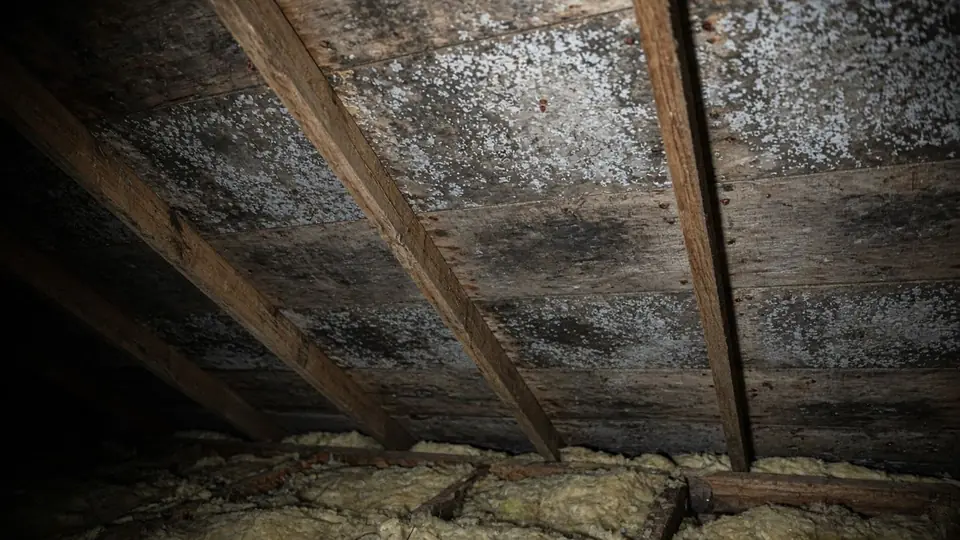
Questions
Attic ventilation in North Syracuse: short answers
Will more insulation fix frost in my village attic?
Not alone. Insulation does not seal air leaks. Sealing the ceiling and keeping the eave path open come first.
Do I need more vents?
Maybe, but only after sealing. More venting over a leaky ceiling just moves more warm air through the attic.
How do I check my own hatch?
Look for gaps at the edges and bare board with no insulation. Tell the contractor what you see.
Do I need to climb into the attic?
No. Look from the hatch with a flashlight and take dated photos. Stay off the ceiling between the joists.
Attic ventilation in North Syracuse: seal, then insulate, then vent
The village's housing is old enough that its attics may have been touched more than once. Half the homes are from 1959 or earlier. Your insulation may have been added in layers, a ridge vent may have gone on later, and wiring and fans may have been run through the ceiling.
Federal guidance puts leak sealing ahead of any new insulation and names the ceiling plane as the best defense against condensation in hard cold. The energy code adds that batts do not count as an air seal, so insulation alone will not stop the air.
If a proposal starts with new vents or more batts and never says what happens to your ceiling gaps, ask. You are entitled to the order of work. The article on how much attic ventilation a house needs explains how the pieces fit.
Signs
Signs a North Syracuse roof needs attic ventilation
Frost on the boards near the eaves
Look from the hatch early on a cold morning. Photograph what you see.
Thin or flattened insulation at the edges
Note where it looks squashed or missing.
A hatch that does not seal
Hold a hand near the edge. Note drafts and whether the lid is insulated.
A cold strip along the ceiling by an outside wall
Touch the ceiling in a freeze and compare it with the middle of the room.
The eave in a mid-century village attic
At the eaves, the roof comes down low and the space is tight. Insulation there can be compressed or thin. In winter, that makes a cold strip along the ceiling by the wall, and that is where condensation shows up first.
The code requires at least a 1 inch gap between the insulation and the sheathing at the eave vent. Federal guidance suggests a baffle that holds 2 inches of clearance. Ask the contractor which they would use, and how they would keep your eave vents from being blocked. Photograph the eave edges from the hatch and send them with the form.
In this Climate Zone 5 village the base vent ratio is 1/150, and a 1/300 ratio calls for 40 to 50 percent of the openings in the upper vents. Ask how your proposal splits eave and ridge.
Hatches, fans and what a village proposal should list
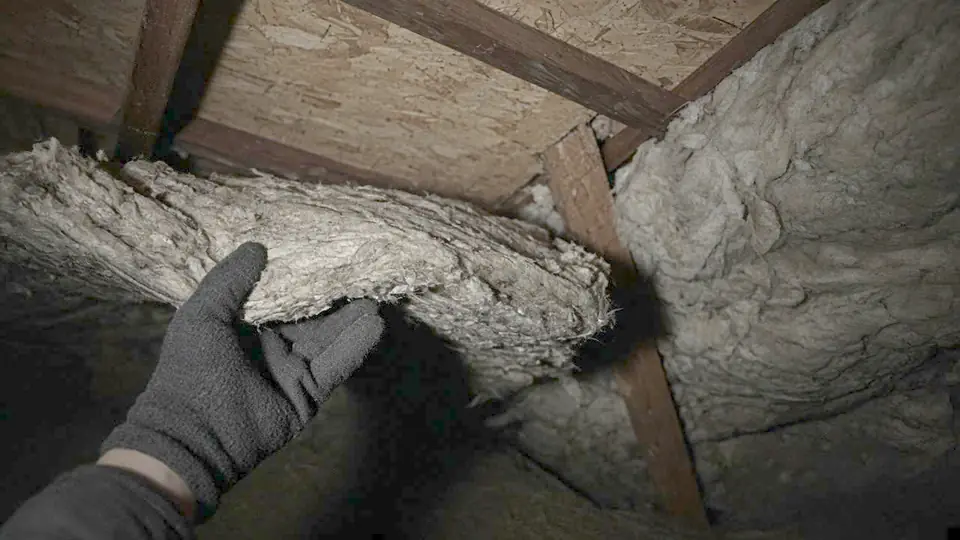
The attic hatch can be the biggest single hole in the ceiling. The energy code calls for hatches to be gasketed and insulated like the ceiling around them. Check yours. If it is a bare board or a thin panel, say so when you call us. A cold, leaky hatch is easy to find, and it can explain frost near the middle of the attic.
Bath fans must vent outdoors, not into the attic. If yours stops short, ask for the duct to run to a roof or wall cap. Your written proposal should list sealing first, then insulation and baffles, then vent area. If it does not, ask why. Compare the order with the village stain page and see the village hub for related jobs.
Other ways in
Other ways water gets into a North Syracuse house
Roof Leak Diagnosis
Trace the stain to its source first.
Low-Slope Roofing
Ask for the pitch before anyone patches again.
Roof Flashing Repair
Name the joint nearest the drip.
Gutters and Drainage
Follow the water from edge to ground.
Nearby
Neighbors of North Syracuse with this page
Tell us what the attic looks like from the hatch.