
The Temperature Gap Over a Salina Ceiling
The air in your rooms and the air above your ceiling are around twenty degrees apart all winter, and everything that goes wrong up there follows from that.
Attic Ventilation quote in Salina
Share a few details so we can confirm coverage and arrange the right next step.
Would you rather talk it through? Call (315) 640-3590, answered 24/7.
$100 off your first job
Credited by us on your first booked job.
- One credit per customer per property, on your first booked job.
- Valid through December 31, 2026.
Mention this offer when you book. Full terms.
What the numbers say about a Salina winter ceiling
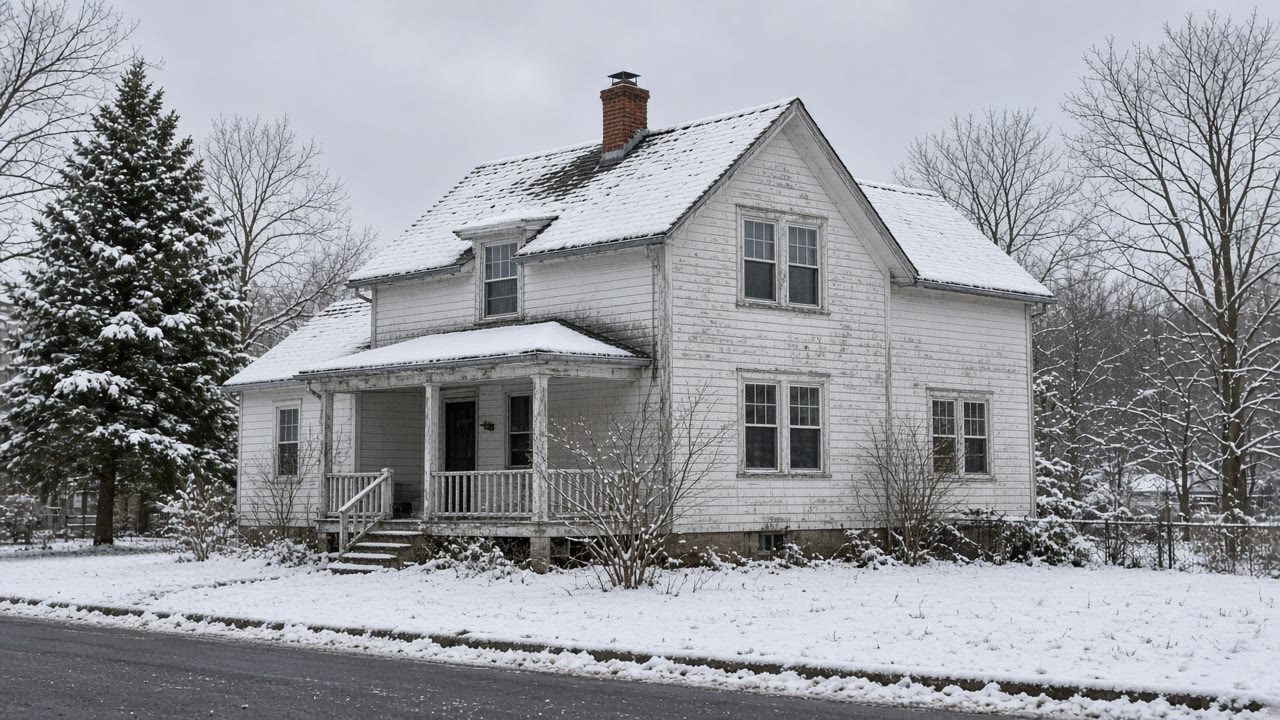
In the Town of Salina the median year of construction is 1960. Of 16,016 housing units, 14.5 percent were built in 1939 or earlier, 24.3 percent before 1950, 77.0 percent before 1980 and 23.0 percent in 1980 or later. 68.7 percent are single-family detached and 68.7 percent of occupied units are owner occupied.
Source: US Census Bureau, American Community Survey 2020-2024 5-year estimates, tables B25034 year structure built, B25035 median year structure built, B25024 units in structure and B25003 tenure, accessed 2026-09-14
Put together, two sourced numbers define the gap this site works in. The Department of Energy recommends a heating-season indoor relative humidity of 30 to 50 percent, and the NOAA 1991 to 2020 hourly normals put the Syracuse mean air temperature at 24.2F through January. A house held in the recommended band at normal room temperature has an indoor dew point in the high 30s to around 50F, while the air on the other side of the ceiling averages the mid 20s.
Source: US Department of Energy, Building America Solution Center, Pacific Northwest National Laboratory, accessed 2026-09-14
The Town of Salina has 16,016 housing units of which 68.7 percent are single-family detached and 5.6 percent are single-family attached, with 68.7 percent owner occupancy and a median build year of 1960. 24.3 percent of the town was built before 1950 and 77.0 percent before 1980.
Source: US Census Bureau, American Community Survey 2020-2024 5-year estimates, tables B25034 year structure built, B25035 median year structure built, B25024 units in structure and B25003 tenure, accessed 2026-09-14
The gap between your rooms and your Salina attic
Put two published numbers together and the whole problem becomes obvious. Federal guidance recommends holding indoor relative humidity between 30 and 50 percent through the heating season, which at normal room temperature gives indoor air a dew point somewhere from the high 30s up to around 50F. The NOAA normals put the Syracuse mean air temperature at 24.2F through January. So the air you live in carries a dew point around twenty degrees above the air on the other side of your ceiling, and any of it that gets through will deposit water on the first cold surface it meets. Salina is a town where it usually can: 77.0 percent of its housing predates 1980, under a median build year of 1960.
What actually closes the gap in a Salina house
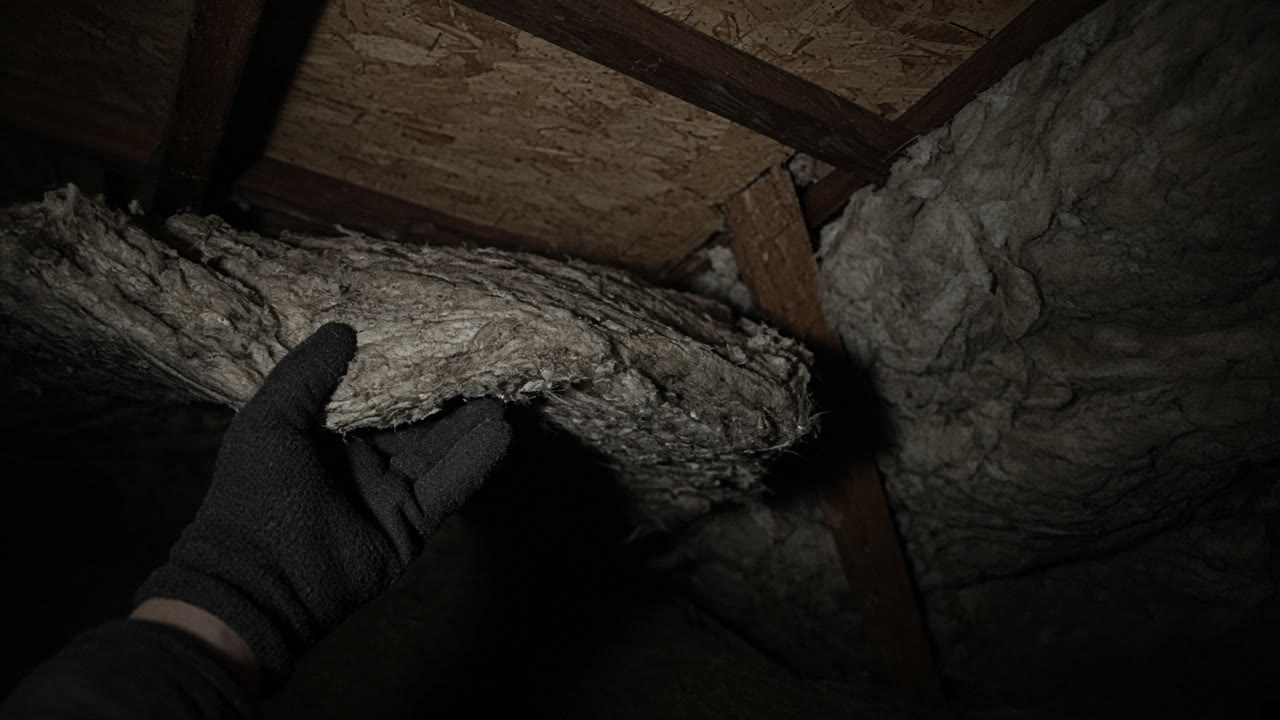
You cannot change the January average and you can change two other things. The first is how much water is in your indoor air, which is the humidity band above and is free to measure. The second is how easily that air reaches the deck, which is a matter of holes rather than inches: the hatch, the bath fan, the light fittings, the pipe chases and the top plates. On stock of this age, 14.5 percent of it standing since 1939 or earlier, those paths are numerous and none of them are visible from the living room. That is why the sensible quote starts with an hour in the attic and a list, not with a product.
Treat the temperature gap as fixed
January averages in the mid 20s are not negotiable. Everything you can influence is on the indoor side of the ceiling.
Lower the indoor dew point where you can
Thirty to fifty percent relative humidity is the published band. Getting there reduces how much water is deposited on every cold surface in the house.
Ask for the list of paths, not a product
A useful attic visit produces an inventory of openings and their sizes. A quote that names a vent without one has skipped the diagnosis.
Tell us what the attic looks like in a cold snap
Frost, damp wood or dark patches. We arrange an insured contractor who lists the air paths before recommending anything.
Related attic and roof work in Salina
Attic questions from Salina homeowners
Would drying the air out solve it on its own?
It helps and it rarely finishes the job. Lowering the indoor dew point means less water is deposited whenever warm air meets cold sheathing, which can take a marginal attic out of trouble. Where the air path is large, you are simply running a dehumidifier against an open hole, and closing the hole is the cheaper half of the work.
Is this worse in a house that has been renovated?
Often, yes, and not for the reason people expect. Renovations add bathrooms, kitchens and recessed lighting, which means more moisture produced and more openings in the ceiling for it to travel through. The house gets nicer and the attic gets a harder job, which is why the two are worth thinking about together.
Close the gap over your ceiling
Send the Salina address and what your hygrometer reads. No obligation, and the first steps are often small ones.