Attic in Camillus
Attic ventilation in Camillus: frost or damp under the roof deck
Attic ventilation in Camillus is the fix people ask for when they find frost on the nails or damp insulation. Say what you saw and when, then book a visit to find out what is feeding the moisture.
Asking where the water gets in commits you to nothing.
What we do
We help you find where the water really gets in and book a diagnostic visit with an independent roofer, who puts the fix in a written proposal.
Our word before the ladder goes up
- You owe nothing for asking, and you can walk away.
- The visit looks for the way in before any roof talk.
- You see the repair proposal in writing before work starts.
- The $100 credit follows the rules on our Terms page.
The roofer you hire answers for their own work and contract.
Signed Roofing Pros Syracuse, (315) 640-3590
What this word covers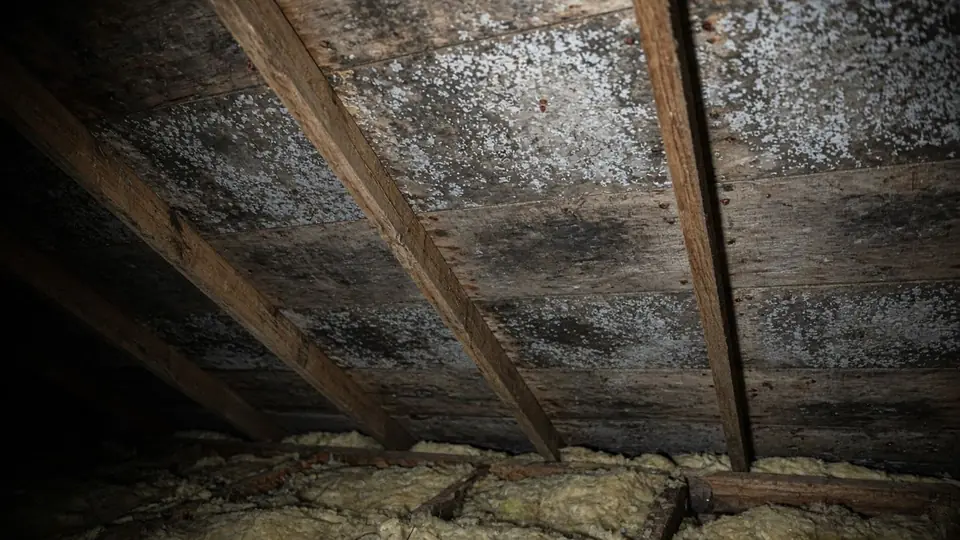
Questions
Settle these before attic ventilation in Camillus
Is frost in my Camillus attic a roof leak?
No. Frost on nails or the deck comes from household air that reached the cold attic. When it melts it can drip like a leak. Seal the air path and check the venting, rather than patching the roof.
Should I add vents or seal the ceiling first?
The federal guide tells you to seal air leaks before you insulate. Our advice is to check venting after that, and to ask the roofer to put the ceiling sealing ahead of any vent on the proposal.
How will I know the venting is right?
Ask the roofer for the net vent area, the upper and lower split and the clear space at the eaves, all in writing. Then watch for frost on the next cold, clear mornings.
My bath fan ends in the attic. Is that a problem?
Yes. A fan should vent outdoors, and the duct should run as directly outside as it can. Tell the roofer to include it in the proposal.
Stopping the air first: how a Camillus attic gets wet
Attic condensation needs four things at once: a cold surface, indoor air pushed through a gap, humid indoor air and too little drying. The cold surface is usually the underside of the roof deck. The gap is usually a ceiling hole: a light fixture, a hatch, a wire or a duct.
The federal guide says to find and seal air leaks before adding insulation, and to treat sealing at the ceiling plane as the best chance in extreme cold. It also advises keeping indoor humidity between 30 and 50 percent in the heating season. Both are things you can ask about before any vent is cut.
Sealing the house can make the indoor air more humid, so the guide pairs it with balanced ventilation. Ask the roofer to cover both parts in the proposal, in that order.
A hatch is the most common gap. The code wants attic hatches sealed with gasketing and insulated like the ceiling. Look at yours: if it is a loose board lid, say so.
Signs
What Camillus owners see before attic ventilation
Frost on nail tips under the deck
Frost that melts into drips on a warm afternoon can stain ceilings. Note the date and the outdoor temperature.
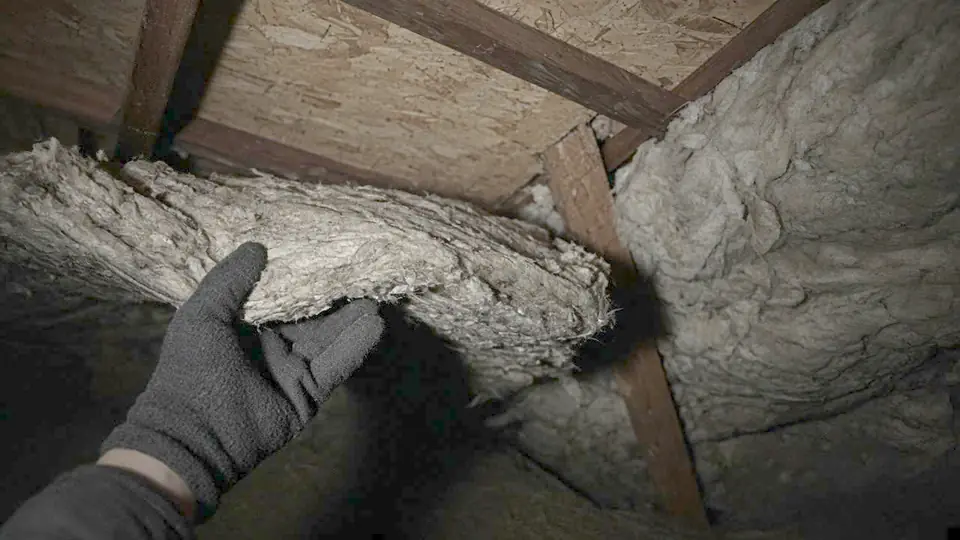
Damp or matted insulation near the eaves
The eaves are the coldest spot. Compressed insulation there makes it colder.
Bath fan duct that ends in the attic
A fan should vent outdoors. A duct that stops in the attic feeds the deck.
Both gable vents and a ridge vent
The two together can short-circuit the airflow. Tell the roofer what is on your roof.
Built in the 1950s to 1970s: what a Camillus attic shares with its neighbors
About 60 percent of Town of Camillus housing dates from 1950 to 1979 (ACS estimate). Many ranches and split-levels from those years were first built with gable vents, and a ridge vent may have been added later. That is a proxy for age, not a measurement of your roof.
If your house is from that stretch, ask the roofer whether the two now work against each other. Mixing them can pull air in one end and out the other, so the soffit vents never do their job.
From the ground, look at each gable end for a louvered vent and at the ridge for a vent strip, and tell the roofer what you see. Leave the ladder to the roofer.
The Village of Camillus is a different case. Its median build year is 1958, and only 44.2 percent of its units are detached houses. If you live in a village building with several units, ask who owns the attic and which bath fans duct into it. In the town, 78.7 percent of units are detached houses, so the attic is usually yours alone.
Either way, put what you see in your note when you book.
Attic ventilation in Camillus: what 1/300 asks in Zone 5
Section R806.2 sets the net free vent area at 1/150 of the attic. The lower ratio of 1/300 is available only if 40 to 50 percent of the vent area sits in the upper vents, and in Zones 6 to 8 a vapor retarder too.
Onondaga County is Zone 5, so the retarder condition does not apply here. The code also wants at least an inch of clear space between insulation and the sheathing at the eave vent.
You can ask the roofer a plain question: how much net vent area is there, and how is it split between upper and lower? Use our article on how much attic ventilation a house needs to follow the answer, or see the Camillus roof leak diagnosis page if you are not sure it is the attic.
Other ways in
The same Camillus roof, other ways in
Roof Leak Diagnosis
Trace the stain to its source first.
Low-Slope Roofing
Ask for the pitch before anyone patches again.
Roof Flashing Repair
Name the joint nearest the drip.
Gutters and Drainage
Follow the water from edge to ground.
Nearby
Attic ventilation pages for towns near Camillus
Describe what you saw in the attic and book.