
Sealing Before Insulating in a Liverpool Attic
Blown insulation does not stop air, it filters it, and that one distinction decides whether money spent in a village attic does anything at all.
Attic Ventilation quote in Liverpool
Share a few details so we can confirm coverage and arrange the right next step.
Would you rather talk it through? Call (315) 640-3590, answered 24/7.
$100 off your first job
Credited by us on your first booked job.
- One credit per customer per property, on your first booked job.
- Valid through December 31, 2026.
Mention this offer when you book. Full terms.
What the state code says about insulation and air
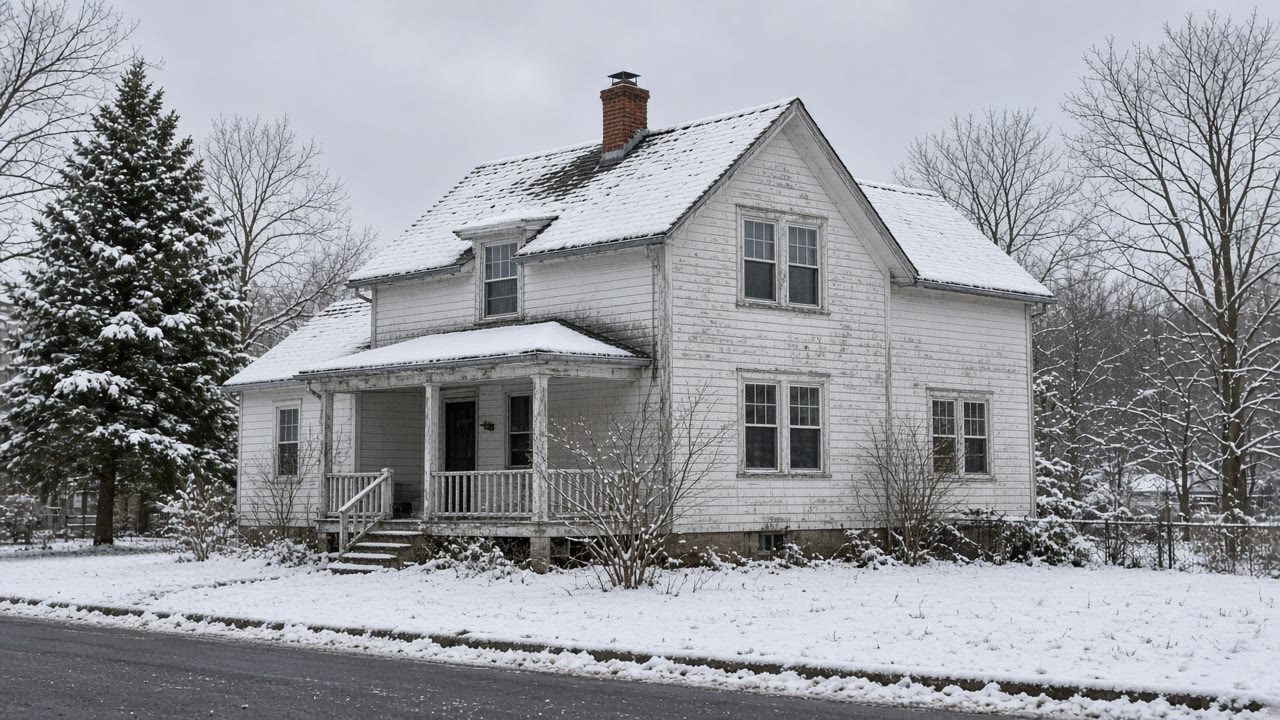
In Liverpool village the median year of construction is 1938. Of 1,344 housing units, 50.2 percent were built in 1939 or earlier, 60.4 percent before 1950, 88.8 percent before 1980 and 11.2 percent in 1980 or later. 62.9 percent are single-family detached and 62.9 percent of occupied units are owner occupied.
Source: US Census Bureau, American Community Survey 2020-2024 5-year estimates, tables B25034 year structure built, B25035 median year structure built, B25024 units in structure and B25003 tenure, accessed 2026-09-14
Table R402.5.1.1 of the 2025 Energy Conservation Construction Code of New York State requires a continuous air barrier in the building thermal envelope with all breaks and joints sealed, and states in its general requirements that air-permeable insulation shall not be used as a sealing material.
Source: 2025 Energy Conservation Construction Code of New York State, via UpCodes, accessed 2026-09-14
The Department of Energy guide directs that air leakage be identified and sealed before insulating and installing finish materials, and names air sealing at the ceiling plane as the strongest opportunity to limit condensation in extreme conditions.
Source: US Department of Energy, Building America Solution Center, Pacific Northwest National Laboratory, accessed 2026-09-14
Why the order of work matters in a 1938 village attic
The state's own code makes the distinction people are most often told the opposite of. Table R402.5.1.1 of the 2025 Energy Conservation Construction Code of New York State requires a continuous air barrier with all breaks and joints sealed, and states in its general requirements that air-permeable insulation shall not be used as a sealing material. Federal guidance puts it as a sequence: find and seal the leakage before insulating and installing finishes, and it names air sealing at the ceiling plane as the strongest single opportunity to limit condensation in extreme conditions. Liverpool village is where the sequence gets skipped, because 88.8 percent of its 1,344 homes predate 1980 and most have had insulation added at some point without anybody sealing first.
What a village attic quote should contain
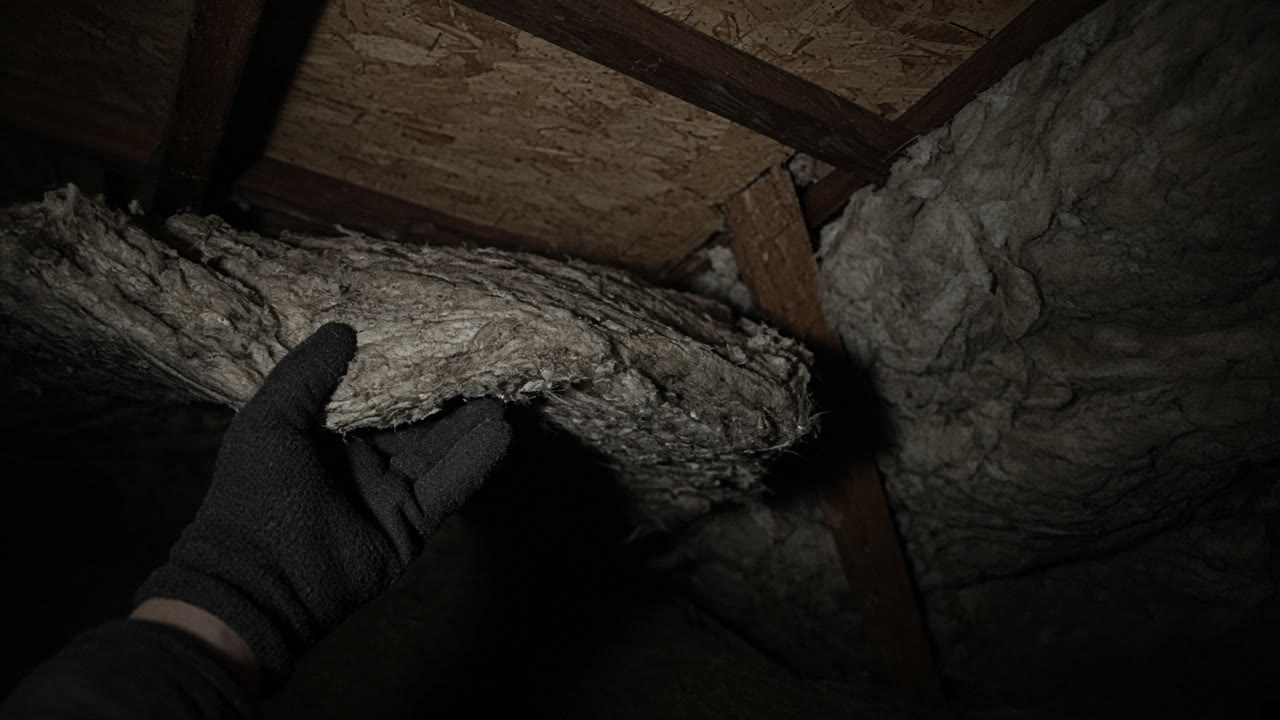
Judge a proposal by whether it describes the ceiling plane before it describes a depth. Sealing is unglamorous work at the top plates, the pipe chases, the wiring penetrations, the chimney chase, the dropped soffits over kitchen cupboards and the hatch, and it is the part that changes the moisture arriving at the deck. Depth of insulation is the part that changes your heating bill. Both are worth having and only one of them fixes a wet attic, so a quote that leads with inches and never mentions sealing has priced the comfortable half of the job. On a village house with a 1938 median that is the half that will disappoint you.
Look for sealing before depth in the quote
The state code says air-permeable insulation is not a sealing material. A proposal that only adds inches has not addressed the air.
Ask which penetrations are on the list
Top plates, chases, wiring, the chimney chase and the hatch. A named list is the sign somebody actually went and looked.
Do not bury the problem under new material
Insulation laid over unsealed holes hides them and makes the deck colder. On this stock that is the most common way money gets wasted up there.
Tell us what the attic floor looks like
How deep the insulation is and whether anything is visible under it. We arrange an insured contractor who seals before adding depth.
Related attic and roof work in Liverpool
Attic questions from Liverpool village homeowners
The attic already has a foot of insulation. Is sealing still worth it?
Usually more so, because the insulation is sitting on top of every opening and nothing has changed about the air moving through them. The work involves moving material back to reach the ceiling plane, sealing, and then restoring the depth, which is more labor than a fresh attic but the same principle. The alternative is paying to heat the underside of your roof.
Can this be done in winter?
Yes, and winter is often the right time to look, because the evidence is visible. Frost patterns on the deck map where warm air is arriving, and a cold day makes the leakage obvious in a way a mild afternoon in May does not. The sealing work itself is indoor work in an unheated space, which is uncomfortable rather than impossible.
Get the ceiling plane dealt with first
Send the Liverpool address and a photo from the hatch. No obligation, and the order of the work decides the result.