
Attic Ventilation for East Syracuse Village Doubles
Warm damp air does not need a fan to reach your roof deck, and in a building with two of everything it usually gets plenty of help.
Attic Ventilation quote in East Syracuse
Share a few details so we can confirm coverage and arrange the right next step.
Would you rather talk it through? Call (315) 640-3590, answered 24/7.
$100 off your first job
Credited by us on your first booked job.
- One credit per customer per property, on your first booked job.
- Valid through December 31, 2026.
Mention this offer when you book. Full terms.
Why a village double loads one roof deck twice over
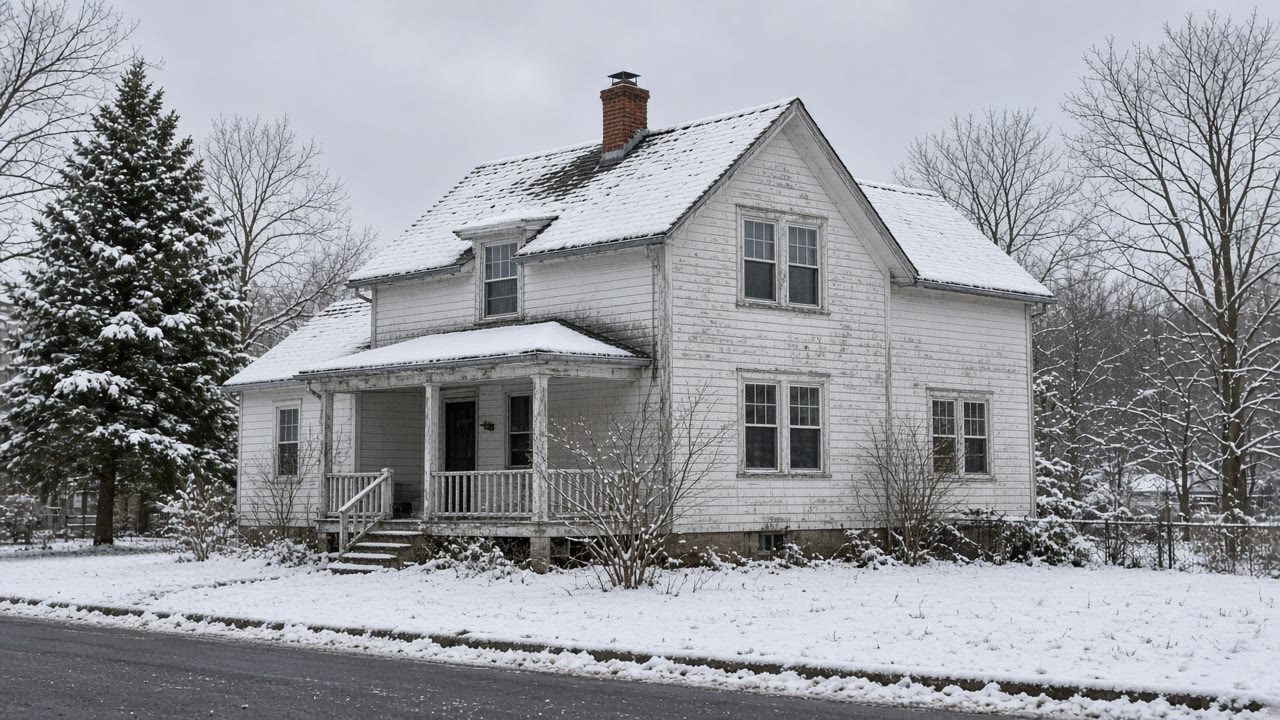
38.4 percent of housing units in East Syracuse village are in two-unit buildings, the highest share of any place in the Syracuse metro and more than double the City of Syracuse figure of 17.5 percent. Only 41.5 percent of units are single-family detached and owner occupancy is 52.7 percent. No units at all in the village were built in 2000 or later.
Source: US Census Bureau, American Community Survey 2020-2024 5-year estimates, tables B25034 year structure built, B25035 median year structure built, B25024 units in structure and B25003 tenure, accessed 2026-09-14
The Department of Energy guide identifies the drivers that push indoor air into an attic: the natural buoyancy of warm humid air alone is enough, and wind, unbalanced mechanical ventilation and leaky ducts installed in the attic create larger pressure differences that worsen the leakage and so the condensation. It recommends balanced ventilation and sealed ducts rather than framing cavities, and dedicated make-up air for dryers and range hoods.
Source: US Department of Energy, Building America Solution Center, Pacific Northwest National Laboratory, accessed 2026-09-14
In East Syracuse village the median year of construction is 1938. Of 1,464 housing units, 54.0 percent were built in 1939 or earlier, 62.1 percent before 1950, 89.8 percent before 1980 and 10.2 percent in 1980 or later. 41.5 percent are single-family detached and 52.7 percent of occupied units are owner occupied.
Source: US Census Bureau, American Community Survey 2020-2024 5-year estimates, tables B25034 year structure built, B25035 median year structure built, B25024 units in structure and B25003 tenure, accessed 2026-09-14
What pushes indoor air into a shared village roof space
Something has to drive the air upward, and in a double there are twice as many candidates. Federal guidance names the drivers: the natural buoyancy of warm humid air is enough on its own, and wind, unbalanced mechanical ventilation and leaky ducts run through an attic all create larger pressure differences that make the leakage and the condensation worse. Its remedies are balanced ventilation, ducts that are sealed rather than framed cavities, and dedicated make-up air for dryers and range hoods. East Syracuse village is where this argument earns its keep: 38.4 percent of its housing sits in two-unit buildings, the highest share of any place in this metro and more than double the city's 17.5 percent, and a single roof deck sits over all of it.
What you control in a two-unit building, and what you do not
Owner occupancy here is 52.7 percent, so roughly half these buildings have somebody living in a part of the house whose habits you do not set. That is not a reason to do nothing, it is a reason to scope the work honestly: the ceiling plane of a whole building can be sealed as one job even when the thermostats below it disagree, and the vent arithmetic is calculated for the attic, not per household. What is worth agreeing before anybody starts is who is paying, who is present, and whether both units can be reached, because a half-sealed ceiling moves the problem rather than solving it.
Find the powered air movers first
Dryers and range hoods pull air out of the building and something has to replace it. Where make-up air is not provided, part of it arrives through the ceiling.
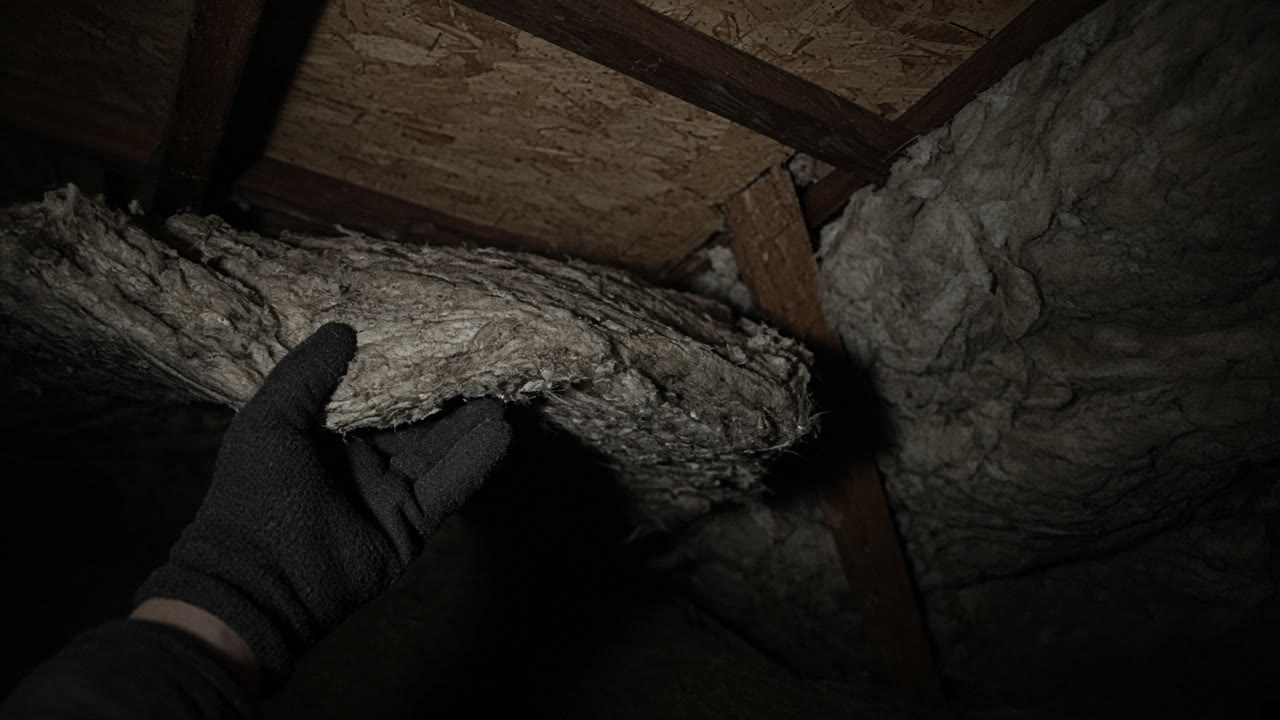
Look for ductwork in the attic
Leaky ducts up there create pressure differences that push indoor air into the roof space. Sealing them is cheaper than any vent and it works all year.
Scope the whole ceiling plane
One roof deck sits over both units, so sealing half a building leaves half the supply of warm wet air in place. Agree access to both sides before the quote.
Tell us what is in the attic besides insulation
Ducts, a bath fan, a dryer run. We arrange an insured contractor who looks at what is pushing the air, not just at the vents.
Attic questions from East Syracuse village
My half is fine. Can the other half wet my attic?
If the roof space is continuous over both units, then yes, because the air does not respect the wall between you. That is why the honest scope on a double is the whole ceiling plane. Where the attic is genuinely divided by a fire separation the answer changes, and that is one of the first things worth establishing at the hatch.
Would sealing the ducts really change anything?
It changes the pressure, which is what moves the air. Ducts leaking inside an attic pull and push air across the ceiling all the time the system runs, and federal guidance names them alongside unbalanced fans as a driver of exactly this problem. It is unglamorous work and it usually does more than adding another vent.
Get the shared roof space assessed as one
Send the village address and which unit you are in. No obligation, and we will say plainly if the work needs both halves.