
Gutters and Downspouts in East Syracuse Village
A gutter does not know where the party wall is, so on a village double one run and one outlet are carrying the whole building.
Gutters and Drainage quote in East Syracuse
Share a few details so we can confirm coverage and arrange the right next step.
Would you rather talk it through? Call (315) 640-3590, answered 24/7.
$100 off your first job
Credited by us on your first booked job.
- One credit per customer per property, on your first booked job.
- Valid through December 31, 2026.
Mention this offer when you book. Full terms.
Sorting out a shared run before winter
Timing matters more than product choice on a run this exposed. Syracuse spends 2,220 hours a year at or below freezing, roughly a quarter of the year, and a gutter that is already holding standing water because the fall is wrong will hold ice instead for weeks at a time, with the weight hanging off brackets that were never sized for it. So the sensible order is to correct the pitch and the outlet capacity while the run is empty and workable, then look at whether the brackets need doubling up, then decide about guards or covers if leaves are genuinely the complaint. Doing it the other way around buys a cover for a channel that cannot drain.
Find where the run stops falling
Water standing in a dry spell marks the low point. That is usually where a bracket has pulled or the hanger spacing was too wide from the start.
Ask about a second outlet
On a long shared eave, another downspout is frequently cheaper and more effective than a bigger channel, and it halves the distance the water has to travel.
Agree who the work is for
On a two-unit building the run serves the whole roof. Worth settling before the visit who is approving the work, so a quote can be acted on rather than filed.
What a shared village eave has to deal with each winter
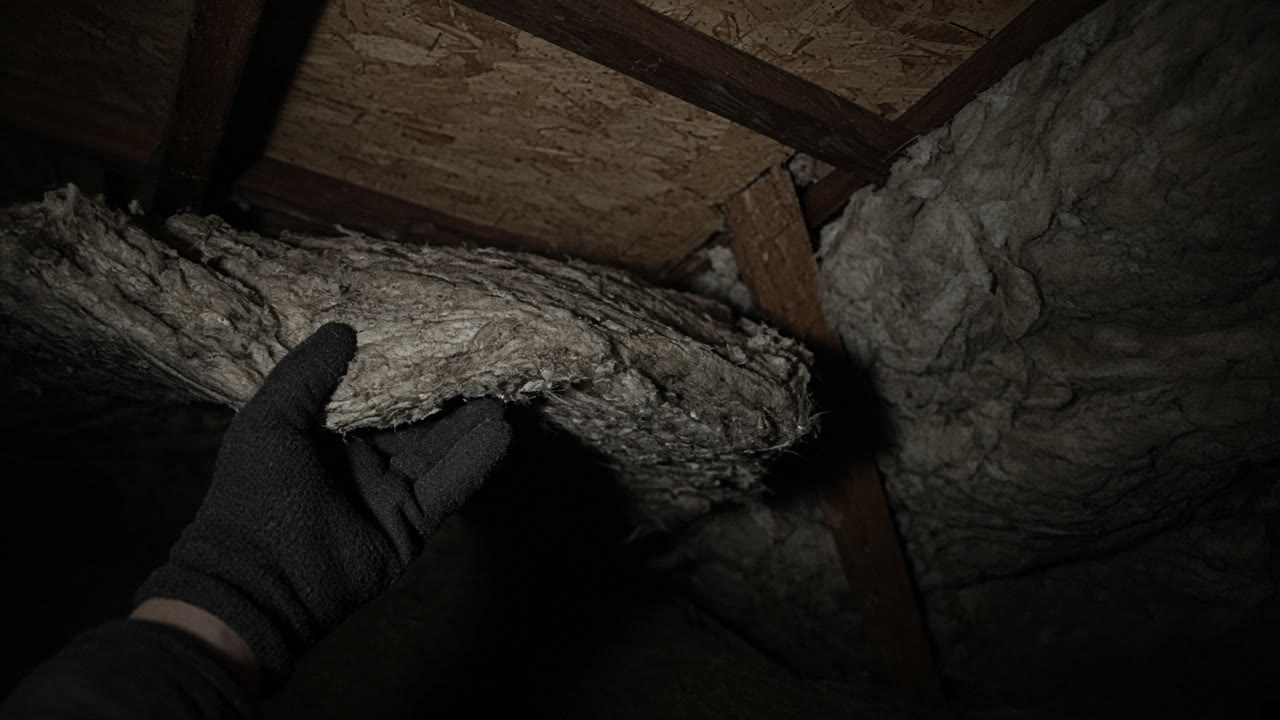
38.4 percent of housing units in East Syracuse village are in two-unit buildings, the highest share of any place in the Syracuse metro and more than double the City of Syracuse figure of 17.5 percent. Only 41.5 percent of units are single-family detached and owner occupancy is 52.7 percent. No units at all in the village were built in 2000 or later.
Source: US Census Bureau, American Community Survey 2020-2024 5-year estimates, tables B25034 year structure built, B25035 median year structure built, B25024 units in structure and B25003 tenure, accessed 2026-09-14
The Department of Energy guide directs that gutters be installed along the roof eaves sloping at least 1/16 inch per foot of run to give positive drainage toward the downspouts, and that downspouts terminate at least 5 feet from the foundation, or discharge to an underground catchment at least 10 feet from the foundation that is not connected to the foundation drain system. Gutter channels come in 4, 5 and 6 inch sizes and the style, K or half round, is aesthetic rather than a performance difference.
Source: US Department of Energy, Building America Solution Center, Pacific Northwest National Laboratory, accessed 2026-09-14
The NOAA 1991 to 2020 hourly normals for Hancock International put the normal temperature at or below 32F for 2,220 hours a year, a quarter of the year, and at or below 40F for 3,263 hours, 37 percent of the year.
Source: NOAA National Centers for Environmental Information, accessed 2026-09-14
What gutters and drainage involves
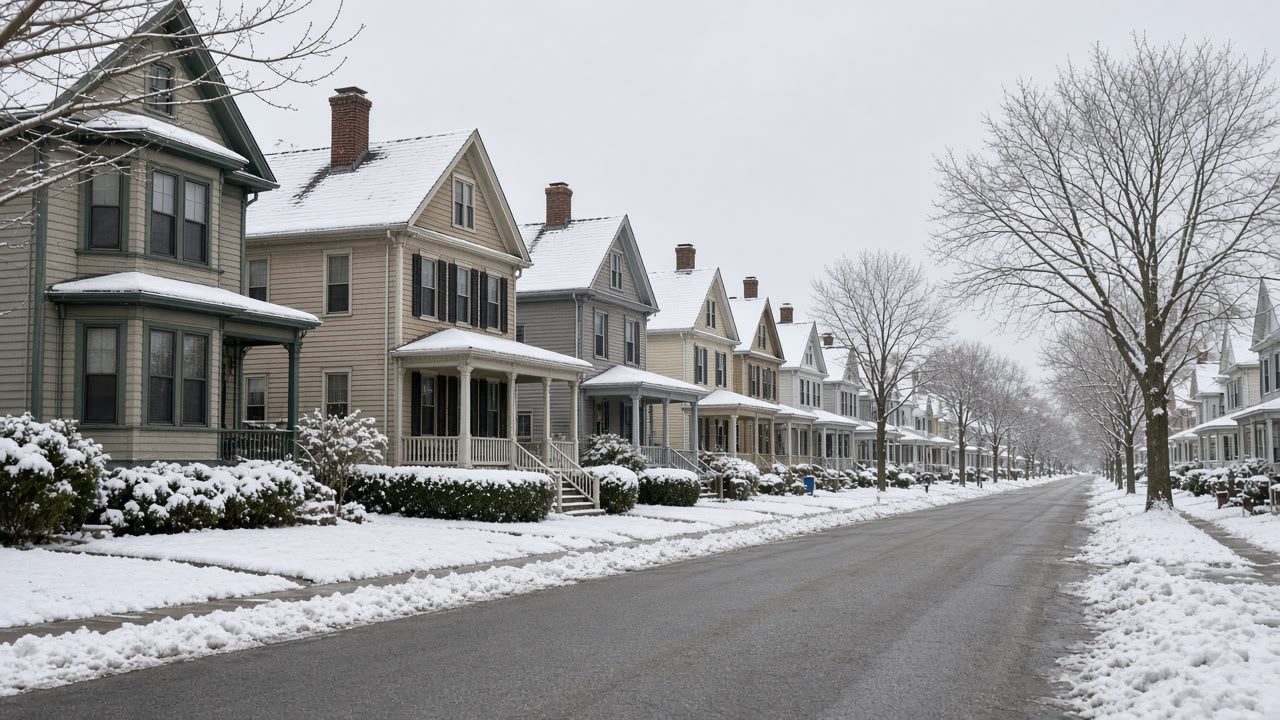
What one shared gutter run has to carry here
Drainage on a village double is a whole-building question even when the house is not. Only 41.5 percent of East Syracuse's 1,464 units are single-family detached, so a great many eaves here run the full length of a building that two households live in, with the outlets placed wherever they suited the original builder. Federal guidance wants a fall of at least 1/16 inch per foot toward the downspout and a discharge at least 5 feet from the foundation. A long shared run loses that fall first at the far end, which is why one corner of a building overflows while the rest looks fine, and why adding an outlet partway along is often a better answer than replacing the whole channel.
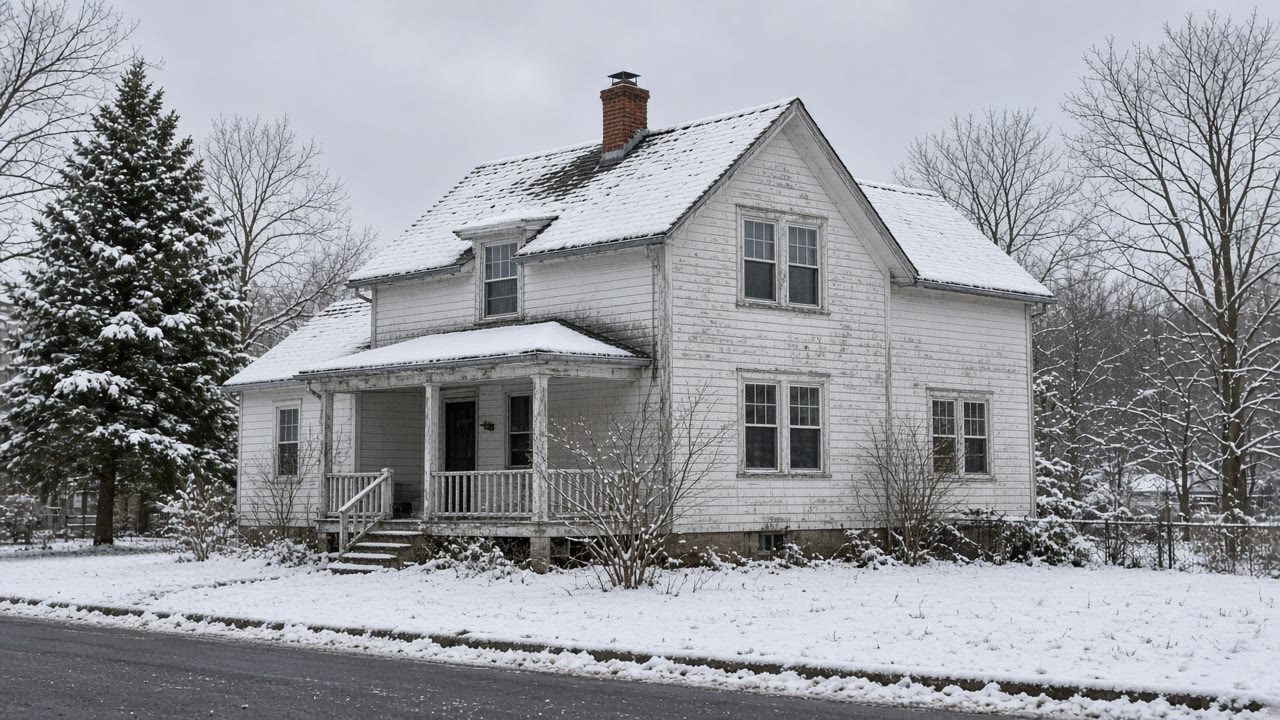
Tell us which end of the run spills
One corner or the whole length, and where it lands. We arrange an insured contractor who checks the fall first.
Drainage questions from East Syracuse village
Only one end of the building overflows. Is the gutter too small?
Usually not. A channel that overflows at one point and behaves everywhere else has lost its fall at that point, and re-hanging a section costs far less than replacing a run. Size becomes the question when the whole length spills at once in a heavy storm, which is a different symptom with a different answer.
The downspout empties onto the sidewalk. Is that a problem?
It is better than emptying at the wall, and it is not ideal. The target is at least five feet away from the foundation on ground that falls away, or a buried run taken ten feet out to a catchment that is not tied into the foundation drain. In winter a discharge across a walked surface also makes ice where people walk.
Get the shared run pitched properly
Send the village address and what happens in a downpour. No obligation, and re-hanging often beats replacing.