
Finding a Roof Leak in a City of Syracuse House
Two things get settled before a ladder goes up: which roof plane sits over that mark, and who is allowed to approve work on it.
Leak Diagnosis quote in Syracuse
Share a few details so we can confirm coverage and arrange the right next step.
Would you rather talk it through? Call (315) 640-3590, answered 24/7.
$100 off your first job
Credited by us on your first booked job.
- One credit per customer per property, on your first booked job.
- Valid through December 31, 2026.
Mention this offer when you book. Full terms.
What the city's own housing numbers change about a leak call
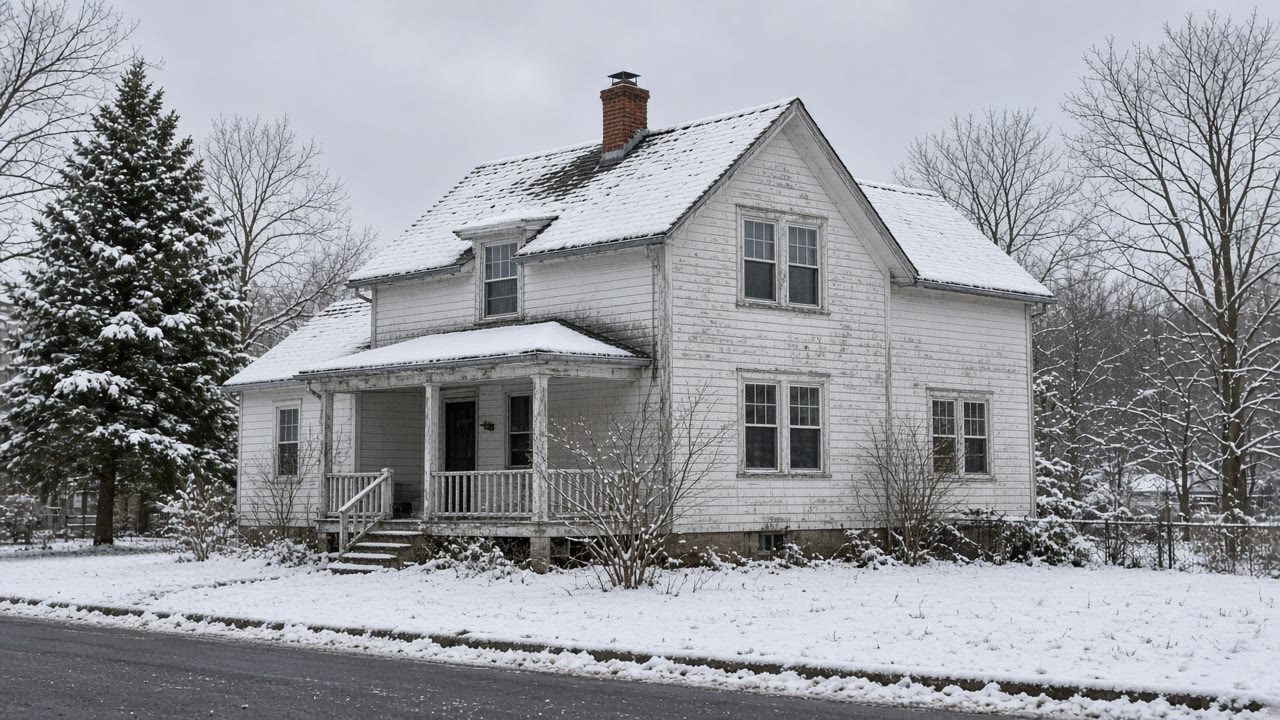
In the City of Syracuse only 41.4 percent of housing units are single-family detached houses. 17.5 percent sit in two-unit buildings, 9.2 percent in three and four unit buildings, 3.7 percent are single-family attached and owner occupancy is 41.6 percent, the lowest of any geography used on this site. The city's 67,601 units are 32 percent of all housing in Onondaga County.
Source: US Census Bureau, American Community Survey 2020-2024 5-year estimates, tables B25034 year structure built, B25035 median year structure built, B25024 units in structure and B25003 tenure, accessed 2026-09-14
In the City of Syracuse the median year of construction is 1948. Of 67,601 housing units, 43.1 percent were built in 1939 or earlier, 51.4 percent before 1950, 85.5 percent before 1980 and 14.5 percent in 1980 or later. 41.4 percent are single-family detached and 41.6 percent of occupied units are owner occupied.
Source: US Census Bureau, American Community Survey 2020-2024 5-year estimates, tables B25034 year structure built, B25035 median year structure built, B25024 units in structure and B25003 tenure, accessed 2026-09-14
The Environmental Protection Agency notes that some moisture problems are not easy to see, names pipe chases and utility tunnels as common sites of hidden growth, and describes moisture meters, which read the moisture content of building materials through a probe or against the surface, as the usual way investigators locate hidden wet areas.
Source: US Environmental Protection Agency, accessed 2026-09-14
The Department of Energy's Building America Solution Center states that condensation occurs on building materials when their surface temperatures drop below the dew point of the air they are exposed to, and that in cold conditions that condensation often forms first as frost, which returns to liquid water when warmer weather arrives.
Source: US Department of Energy, Building America Solution Center, Pacific Northwest National Laboratory, accessed 2026-09-14
Why a city leak visit starts indoors and not on a ladder
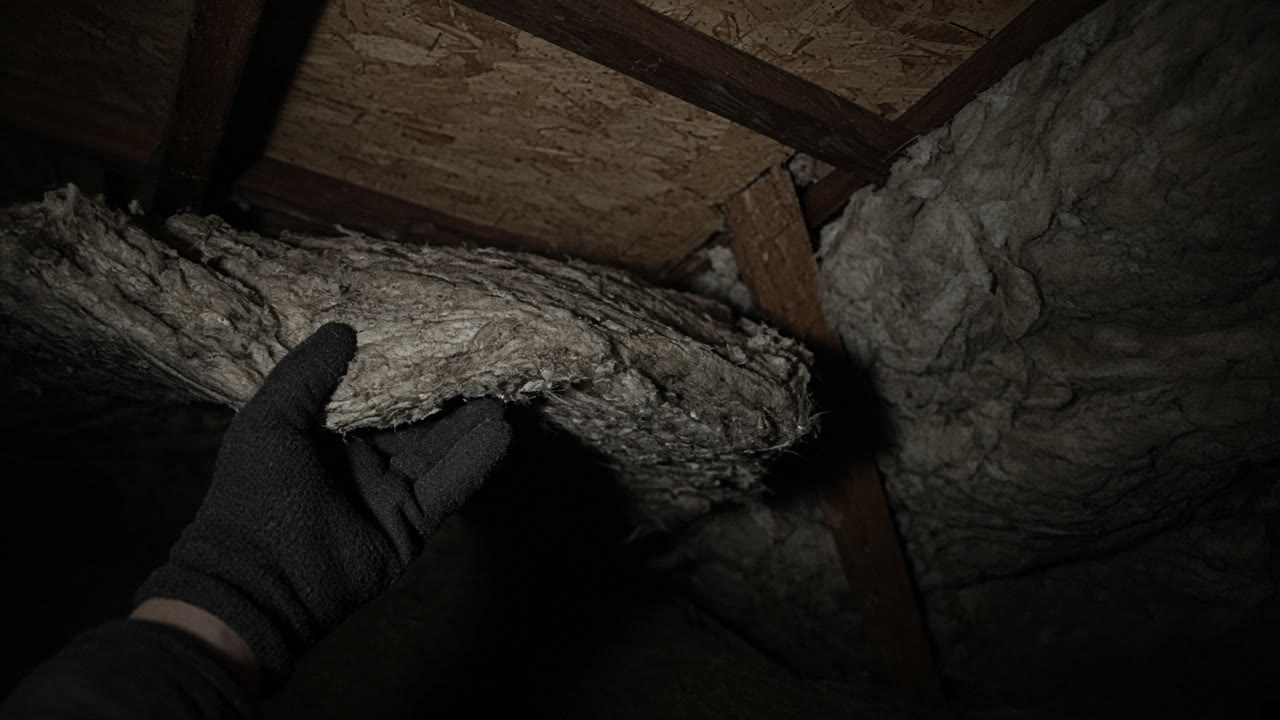
A ceiling stain inside the city line is a question about a whole building, not just about the covering over your own rooms. Only 41.4 percent of the city's 67,601 units are single-family detached and 17.5 percent sit in two-unit buildings, so the first job is agreeing which roof plane is above the mark and who can authorize opening anything. Then the visit works from the stain outward: the attic over it, the material around it, and a moisture meter on the ceiling and the wall. The Environmental Protection Agency describes meters as the usual way investigators locate wet material that nobody can see yet, and wet material that has not shown itself is what decides how far the search has to go. You end up with an entry point named and a written proposal for closing it.
What a city caller should settle before booking anything
Hold off on any price for a covering until somebody has told you what the water crossed to get to your plaster. Water travels along the underside of a deck and drops where a nail or a seam interrupts it, which is why the wet ceiling is so rarely under the hole, and why a quote written from the sidewalk is a guess with a number attached. The cheapest useful thing you can do before we arrive is write down the date the mark first appeared and what the sky was doing that week. On a city house of this generation, with a median build year of 1948 and 43.1 percent of the stock standing since 1939 or earlier, that single line of history separates a covering problem from something happening above the ceiling.
Which part of the building the water crossed
With 17.5 percent of city units in two-unit buildings, the plane above your stain is often not the plane above your unit. Settling that first keeps the search on the right roof.
What the weather did the week it appeared
A mark that grew after a cold, dry night is a temperature event rather than a rain event. That answer redirects the entire visit and it costs nothing to record.
What you are actually buying
A named entry point and a written proposal for the repair a contractor intends to carry out. There is no obligation to book it, and no reason to accept a covering price for a stain nobody has explained.
Send the address and the story of the stain
When it showed up, whether it has grown, and what fell that week. We match it to an insured contractor who starts indoors.
The rest of the roof system inside the city line
Leak questions city of Syracuse callers put to us
My tenant reported the stain. Do I need to be there?
It helps, because the useful history belongs to whoever has watched the ceiling. Owner occupancy in the city is 41.6 percent, the lowest figure in the county, so a great many calls here are made by one person about a roof somebody else owns. We ask early who can open the attic and who can approve the work, and that saves a wasted visit more often than anything else we ask.
Can you tell me it is not the roof at all?
Frequently, and we would rather say it than sell around it. The federal guidance is that condensation forms on any surface that falls below the dew point of the air touching it, and in January the coldest surface in a city house is the underside of the deck. A dry deck over a wet ceiling points somewhere else, and we will say where.
Get the cause named before anyone prices a covering
Tell us what your city ceiling is doing. There is no obligation, and the answer may well be that your covering is fine.