
Attic Air Sealing and Ventilation in the City of Syracuse
Air sealing works, and done on its own it can leave a house wetter than it started, which is why the two halves of this job belong in one quote.
Attic Ventilation quote in Syracuse
Share a few details so we can confirm coverage and arrange the right next step.
Would you rather talk it through? Call (315) 640-3590, answered 24/7.
$100 off your first job
Credited by us on your first booked job.
- One credit per customer per property, on your first booked job.
- Valid through December 31, 2026.
Mention this offer when you book. Full terms.
What a tightened prewar city house does with its own moisture
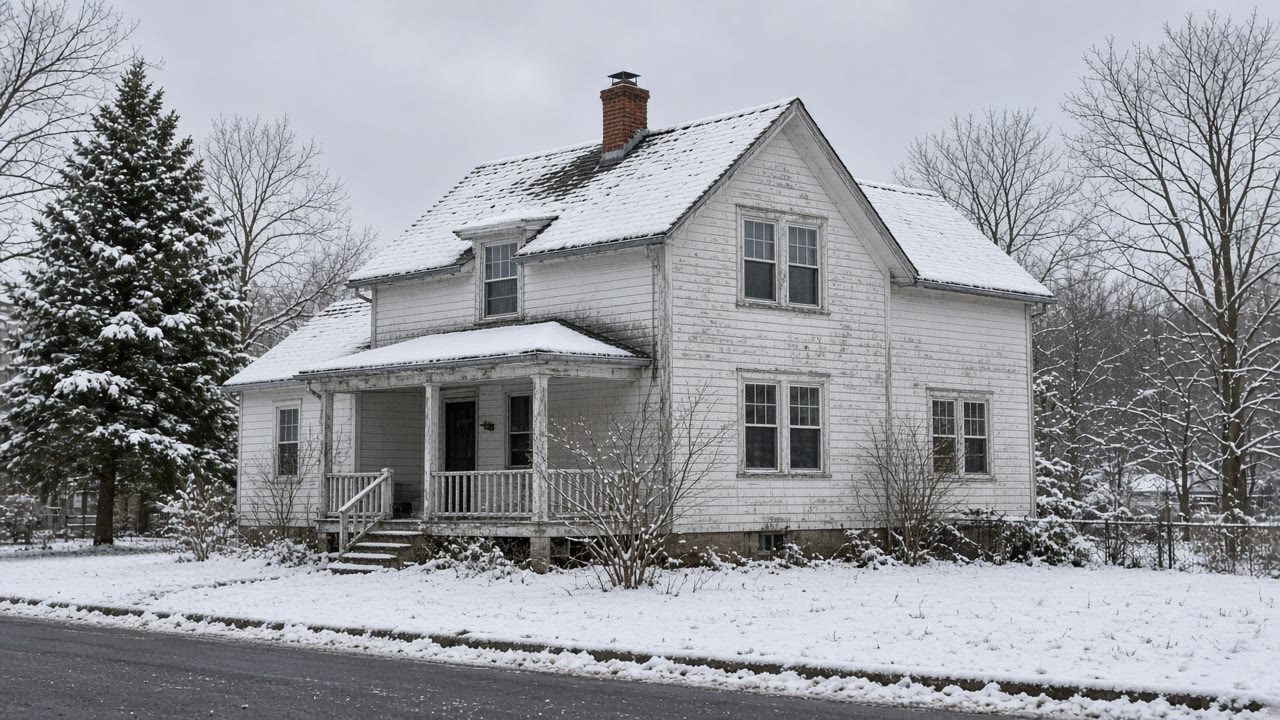
In the City of Syracuse the median year of construction is 1948. Of 67,601 housing units, 43.1 percent were built in 1939 or earlier, 51.4 percent before 1950, 85.5 percent before 1980 and 14.5 percent in 1980 or later. 41.4 percent are single-family detached and 41.6 percent of occupied units are owner occupied.
Source: US Census Bureau, American Community Survey 2020-2024 5-year estimates, tables B25034 year structure built, B25035 median year structure built, B25024 units in structure and B25003 tenure, accessed 2026-09-14
The Department of Energy guide cautions that air sealing retrofits can lead to more humid indoor air, and that increased balanced ventilation, preferably with heat recovery in cold climates, should be combined with air sealing to keep indoor relative humidity reasonable.
Source: US Department of Energy, Building America Solution Center, Pacific Northwest National Laboratory, accessed 2026-09-14
The Department of Energy guide reports that most sources recommend an indoor relative humidity of between 30 and 50 percent during the heating season, because lowering indoor humidity lowers the dew point and so makes condensation less likely and reduces how much water is deposited when it does happen.
Source: US Department of Energy, Building America Solution Center, Pacific Northwest National Laboratory, accessed 2026-09-14
Why sealing a city ceiling changes the air in the whole house
There is an order to this and getting it wrong costs money twice. Federal guidance is direct that air sealing retrofits can lead to more humid indoor air, and that sealing should be combined with increased balanced ventilation, preferably with heat recovery in a cold climate, so that indoor humidity stays reasonable. A city house is exactly where that matters. The median build year is 1948, 85.5 percent of the stock predates 1980, and most of it has been tightened up piecemeal over decades with new windows, new doors and insulation added on top. Close the last of the big holes without thinking about where the moisture now goes, and the remaining cold surfaces get wetter than they were before anybody started.
Sequencing a city attic job so the money works
The lever nobody charges for is the humidity itself. Most sources put the heating season target at 30 to 50 percent indoor relative humidity, because a lower indoor dew point means less water deposited on any surface that does go cold. A ten dollar hygrometer on the upstairs landing through January tells you whether your house is running wet before anyone quotes a vent, and in a tightened prewar city house it very often is. That reading also changes what the right job is: a house sitting at 55 percent needs the moisture dealt with at source, while a house at 35 percent with a frosted deck has an air leak to find instead.
Measure the humidity before buying hardware
Thirty to fifty percent through the heating season is the target. A week of readings tells you whether this is a moisture problem or an air leakage problem, and they need different work.
Pair sealing with ventilation in one scope
Tightening the ceiling of an old city house without addressing where the moisture leaves can move the damp somewhere else. Ask any quote what it does about both.
Count the holes, not the inches of insulation
Hatches, bath fans, light fittings, pipe chases and the chimney chase are the paths. Depth of insulation laid over the top of them changes very little about the air.
Tell us what your hygrometer says
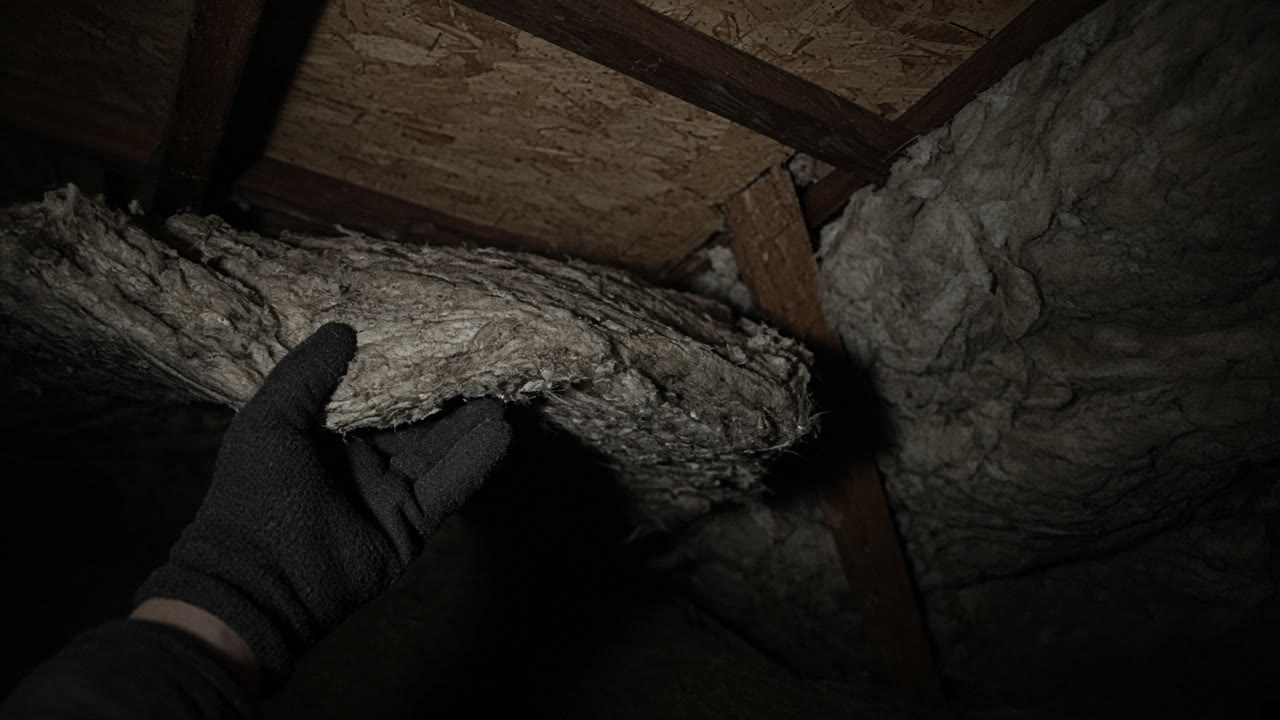
A week of readings and a photo from the hatch. We arrange an insured contractor who quotes sealing and ventilation together.
Related attic and roof work in the city
Attic questions from city of Syracuse homeowners
I added insulation last year and the attic is worse. Why?
Because depth and airtightness are different things, and only one of them was bought. Insulation laid over an unsealed ceiling leaves every hole feeding warm damp air upward while making the deck above it colder, so more of that air meets a colder surface. It is a very common sequence in this city, and the correction is to go back to the holes.
Will running a dehumidifier fix a frosted deck?
It can help and it is rarely the whole answer. Lower indoor humidity means less water deposited when a surface goes cold, which is why the 30 to 50 percent band matters. But if warm air is still being driven up through the ceiling, you are dehumidifying the attic through a set of holes, which is an expensive way to run a house.
Stop the city attic making its own water
Send the address and what you can see on the wood up there. No obligation, and the first step often costs nothing to check yourself.